Corgi Silhouette Svg – A Designer’s Honest Take for Real Embroidery Projects
When you work with machine embroidery day in and day out, you learn to spot a design that will stitch cleanly from a mile away. I’ve been digitizing and stitching for over a decade, and I’ve tested hundreds of vector-based designs meant for embroidery conversion. So when I came across the Corgi Silhouette Svg from Doggie Art Delight Studio, I was curious how well it would translate from a graphic file to a finished hoop. After running it through my workflow and stitching it on a few different products, here’s what I found useful, what gave me pause, and where this design really shines for craft business owners and handmade sellers.
First Look: Clean Lines and a Confident Silhouette
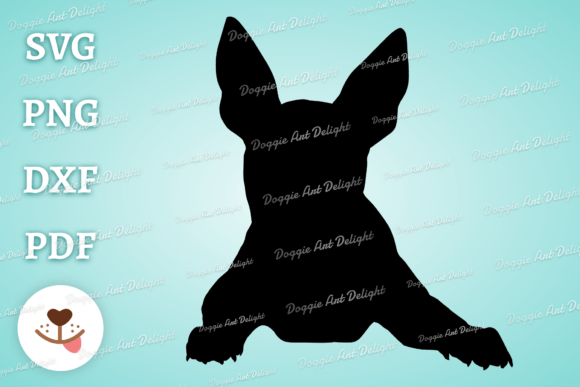
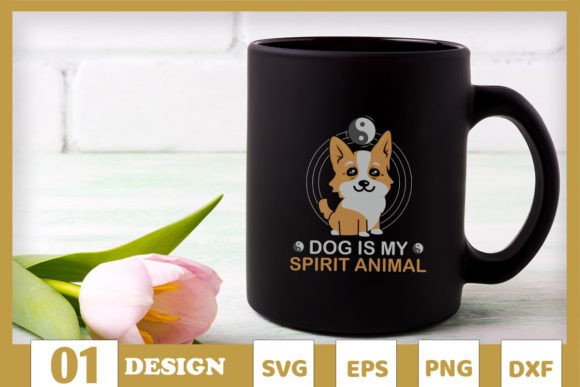
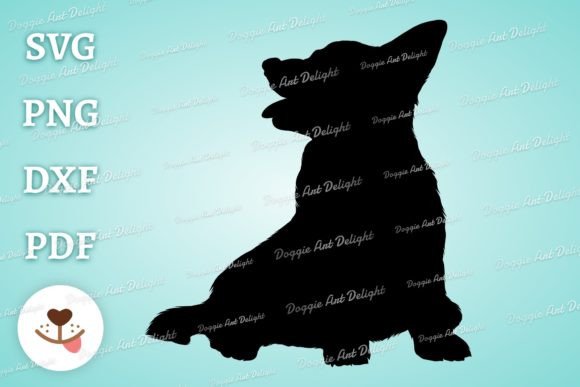
Right away, the Corgi Silhouette Svg impresses with its simplicity. It’s a sitting corgi profile — no fussy fur details, no distracting inner lines, just a solid, recognizable shape that captures the breed’s characteristic ears, short legs, and sturdy posture. The mood is warm and approachable, almost cheerful in its stillness. For an embroidery project, that kind of clarity is gold. You don’t have to fight with tiny gaps or overly complex curves. The outline is smooth, and the proportions feel balanced. This design naturally belongs on products where the corgi shape is the hero — think a tote bag, a sweatshirt, a patch, or a simple kitchen towel. It’s not an illustration; it’s a statement piece that relies on bold contrast and clean stitching.
Real Case: Prepping a Custom Tote Bag for a Dog-Loving Client
I took on a small batch order for a local boutique that wanted dog-themed totes for a spring market. The Corgi Silhouette Svg seemed like a perfect fit for a mid-sized project. I hooped a natural cotton tote with medium-weight cutaway stabilizer and used a black polyester thread on the natural fabric. The design stitched out as a satin column outline with a fill stitch interior. The thread path was logical — no long jumps, no unnecessary trims. The finished result was crisp, and the corgi shape read immediately. The boutique owner sold out of the corgi totes in two days. What made it work? The design’s simplicity meant the stitching stayed clean even on a textured fabric like canvas. It didn’t shrink or distort after pressing, and the silhouette held its shape after multiple washes. That’s the kind of reliability you need when you’re selling finished products to customers who expect quality.
Where This Design Performs Best in Your Product Line
After testing the Corgi Silhouette Svg on several substrates, I found it performs exceptionally well in specific categories. Here’s where I’d confidently use it in a craft business or for personalized gifts:
- Custom apparel: On a sweatshirt or t-shirt, the silhouette sits nicely on the chest or back. A single-color stitch in white or black keeps the look modern. For baby apparel, it adds a playful touch without overwhelming the garment.
- Embroidered patches: Because the shape is enclosed and continuous, it works beautifully as a patch design. You can stitch it with a satin border and cut around it cleanly. Patches like this sell well at craft fairs and on Etsy for dog lovers.
- Home goods: Pillow covers, tea towels, and nursery decor benefit from the design’s straightforward visual. A corgi silhouette stitched onto a linen pillow cover feels intentional and giftable.
- Holiday and personalized gifts: Pair it with a name or a small heart, and you have a custom gift for any corgi owner. It’s neutral enough for holidays, birthdays, or just-because presents.
- Digital product previews: If you sell digital embroidery files, the Corgi Silhouette Svg works well for printable mockups and product photos. The clean lines show up clearly in listing images, which helps buyers trust what they’re downloading.
For boutique branding or small shop merchandise, this design reads as professional without being generic. It’s specific enough to attract corgi enthusiasts but simple enough to fit a range of product styles — from rustic farmhouse to modern minimalist.
Where to Use This Design with Caution
No design is perfect for every scenario, and the Corgi Silhouette Svg has a few limitations that are worth considering before you stitch. I ran into these during my testing:
- Small hoop sizes: If you’re working with a 4x4 hoop, the silhouette will need to be scaled down. At a very small size, the ear shape and leg details can become muddled. I’d recommend a minimum finished size of about 2.5 inches tall to keep the corgi recognizable. Test it at your intended size on scrap fabric first.
- Thin or stretchy fabric: On lightweight knits or single-layer jersey, the stitch density of a filled silhouette can cause puckering. Use a tear-away or cutaway stabilizer and consider a lightweight backing. A running stitch outline version might work better for delicate fabrics.
- Dark fabrics: If you stitch the design in a dark thread on a dark fabric, the silhouette can disappear. Use a high-contrast thread color — white, gold, or a bright accent — to make the shape pop. Test a black-on-black version before committing to production.
- Curved surfaces like caps: The design’s solid fill can be tricky on a curved surface. If you’re embroidering a cap, keep the design small and centered, and use a cap frame with firm stabilizer. A satin stitch border alone might be more forgiving than a full fill on a curved brim.
- Frequent washing: For items like kitchen towels or baby blankets that see heavy washing, the thread tension and stabilizer choice matter. A dense fill stitch can shrink slightly over time, so I recommend a polyester thread and a no-heat pressing routine to preserve the shape.
How This Design Affects Product Value and Customer Trust
In the handmade product space, customers pay attention to stitching quality. A clean, well-placed silhouette tells the buyer that the maker cares about details. The Corgi Silhouette Svg helps build that trust because it’s hard to stitch poorly if you’ve prepped correctly. The design’s simplicity also makes it versatile for branding — you can use it across multiple products without diluting your shop’s identity.
For Crafts and Graphics categories, this design fits naturally. It’s a vector file, so you can manipulate it for screen printing, vinyl cutting, or engraving. But for embroidery specifically, the silhouette approach works because it doesn’t rely on fine details that get lost in thread. Customers recognize the corgi shape instantly, and that recognition creates an emotional connection — especially if they own a corgi. That connection drives sales and repeat business.
Practical Designer Notes Before You Stitch
Before you commit the Corgi Silhouette Svg to a production run, here are a few steps I always follow when testing a new design:
- Test on scrap fabric first. I can’t stress this enough. Hoop a piece of the exact fabric you plan to use, run the design, and inspect the stitching. Check for skipped stitches, thread breaks, or distortion. Adjust your tension and stabilizer accordingly.
- Check thread color contrast. Print a black-and-white mockup of the design and hold it against your fabric. If the silhouette blends in, choose a different thread color. Contrast is everything with a solid shape.
- Review stitch density. A filled silhouette can become too dense if the vector was not optimized for embroidery. If the design has a high stitch count relative to its size, consider reducing the density in your digitizing software or using a satin stitch outline instead.
- Confirm hoop size. Measure the design at your intended scale and make sure it fits comfortably within your hoop with room for the frame. A design that touches the hoop edge can cause registration issues.
- Use proper stabilizer. For most projects, a medium-weight cutaway stabilizer works well. For stretchy or lightweight fabrics, use a heavier stabilizer or a topper to prevent the fill from sinking into the weave.
- Test on both light and dark fabric backgrounds. What looks good on white muslin might not translate to a navy sweatshirt. Run a small test on both ends of the color spectrum to see how the silhouette reads.
- Check licensing before selling. Since this file comes from Doggie Art Delight Studio and is listed for graphic design purposes, confirm whether commercial use is allowed for finished products or digital files. If the license does not explicitly cover embroidery or resale of the digital file, reach out to the studio for clarification. Don’t assume — protect your craft business.
- Test in black and white mockups. Before stitching, simulate the design on a photo of your product using a mockup tool. This helps you visualize placement, scale, and contrast without wasting materials.
Final Thoughts on Stitching with Corgi Silhouette Svg
After multiple test runs and a successful batch of tote bags, I can say that the Corgi Silhouette Svg is a reliable, commercially viable design for embroiderers who want a clean, recognizable shape. It doesn’t overcomplicate itself — and that’s its strength. For small shop owners, Etsy sellers, and handmade product creators, this design offers a straightforward path to a professional finished product. It works best when you give it enough space, contrast, and stabilizer support. If you’re considering adding a corgi-themed item to your product line, this silhouette is a smart place to start. Test it, tweak it, and stitch it with confidence. Your customers will see the quality in every loop and lock stitch.