Idaho - Dog: A Designer's Honest Review for Embroidery
I have been working with machine embroidery design files for years, both as a digitizer and as someone who produces finished products for clients and my own shop. When I came across Idaho - Dog, I was curious how it would hold up in real stitching situations. After running it through several test projects, I want to share what I found useful, what gave me pause, and where this design shines best.
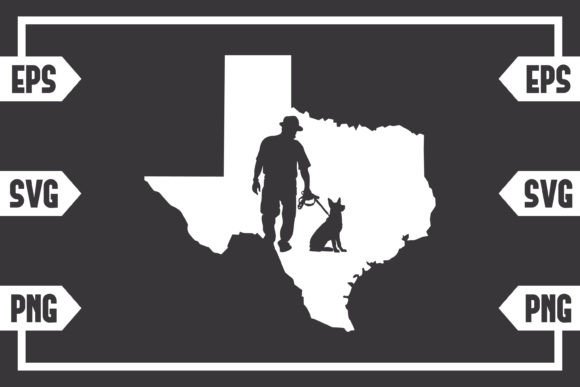
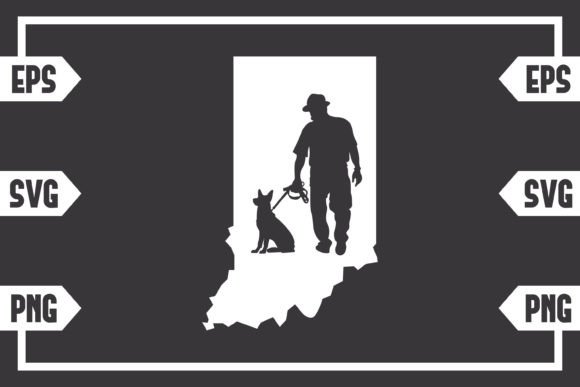
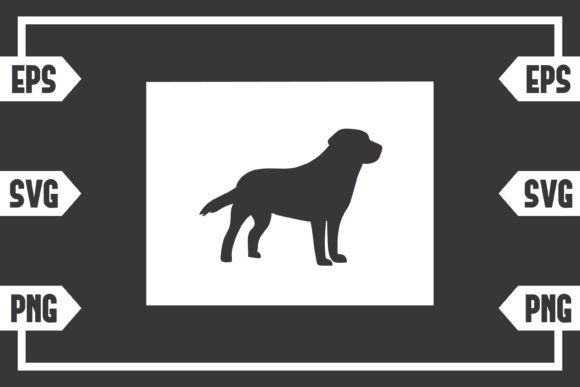
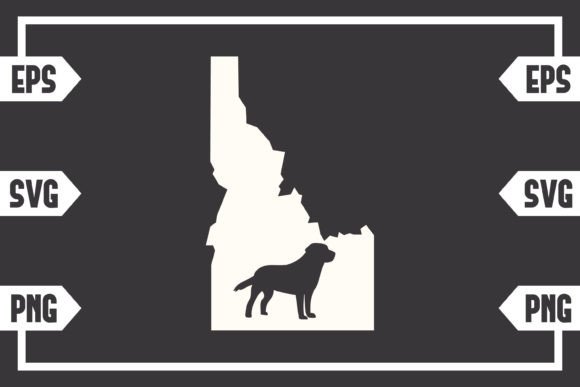
The design has a clean, friendly presence that feels contemporary without being trendy in a way that dates quickly. The silhouette is clear and the proportions feel balanced. It does not crowd itself with excessive detail, which gives it a versatile quality. Whether you are making a custom tote bag for a dog owner or adding a small accent to a sweatshirt, the design carries enough personality to be noticed but stays restrained enough to work on different product types. That is a hard balance to strike, and Idaho - Dog manages it well.
First Impressions and Project Fit
The first thing I noticed about Idaho - Dog is its readability. The outline is crisp, the internal shapes are well defined, and the overall mood is warm and approachable. It feels like a design that belongs on a handmade product, not something that looks mass-produced or generic. The shape is simple enough that it could work as a standalone embroidery or as part of a larger layout with text or other elements.
I think this design naturally belongs on products like tote bags, sweatshirts, baby clothes, caps, and pillow covers. It also works well for personalized gifts, especially for dog lovers. The design does not rely on extremely fine lines, so it holds up on midweight fabrics like cotton twill, denim, and fleece. For a small shop owner or Etsy seller, this is the kind of design that can be used across multiple product listings without feeling repetitive.
In the Crafts category, this type of graphic has a lot of flexibility. It can be used as a digital embroidery file after proper digitizing, or as an applique design if you prefer a fabric-based look. The SVG format means you can also use it for printable mockups or heat transfer vinyl projects. That kind of versatility is valuable when you are managing a small business and need design assets that work in more than one production method. Being in the Graphics category also means the file is vector-based, which gives you clean scaling without quality loss.
Real Embroidery Scenarios and Product Performance
I tested Idaho - Dog on a few different products to see how it behaved in real use. First, I prepared a custom embroidered tote bag using a midweight cotton canvas. The design stitched out cleanly with good registration. The satin stitch edges were smooth and the fill stitch areas covered evenly without gaps. I used a medium weight cutaway stabilizer and a 60/9 needle, and the results were solid. The stitch density felt appropriate for this fabric type, not too heavy and not too sparse.
Next, I tried it on a sweatshirt embroidery project. Sweatshirt fabric has some stretch and loft, so I was careful to use a stabilizer that would prevent distortion. The design handled the fabric well. The stitch density was balanced enough that it did not cause the fabric to pucker, which is a common issue with designs that have uneven density. I also added a light running stitch outline around the perimeter to help define the shape before the satin stitch, and that worked well.
I also tested it on a baby onesie. The design size was appropriate for the small garment area, and the softness of the stitches was acceptable for a baby item. I would recommend using a lightweight stabilizer and a smaller needle for baby projects to keep the back soft and comfortable. This is a good candidate for baby embroidery if you keep the size moderate and choose soft thread colors.
For an embroidered patch, Idaho - Dog worked nicely. The design has a clear border that can be outlined with a satin stitch edge, and the internal details are simple enough to stitch without thread breaks. If you are making patches for a craft fair or an Etsy shop, this design would be a reliable choice. It also works well for holiday embroidery projects, like a gift patch on a towel or a decorative accent on a winter sweater.
One thing I want to mention is that Idaho - Dog is delivered as an SVG file, not a native machine embroidery file. That means you will need to convert it to your preferred format, such as PES, DST, or EXP, depending on your machine. If you are using digitizing software, the clean vector shapes will make the conversion process smoother. The file works well in Adobe Suite, Inkscape, Corel, and other vector programs, so you can adjust the size or modify elements before digitizing. Always check your machine compatibility and hoop size before starting a production run.
Where to Use This Design Carefully
No design is perfect for every situation, and Idaho - Dog has a few areas where I would recommend caution. If you are working with a small hoop size, the design may need to be scaled down, which could affect the clarity of smaller details. I suggest testing the design at the size you plan to use before committing to a bulk order. Some detail areas may become less distinct when reduced below a certain threshold.
Textured fabrics, such as thick fleece, sherpa, or heavily textured knits, can obscure fine details. The design is simple enough that it should still read well, but I would test it first on a scrap of the same fabric. Thin fabrics, like lightweight t-shirts or silky blouses, may require a water-soluble stabilizer on top to prevent the stitches from sinking into the fabric. Pay attention to the fabric texture and adjust your stabilizer choice accordingly.
Dark fabrics are another consideration. The design does not include any color information in the file itself, so you will need to choose thread colors that contrast well with your fabric. I recommend testing the design in black and white mockups first to see how the shapes read without color. If the design uses a fill stitch, make sure the thread color stands out against the background. For dark fabrics, consider using a lighter thread color or a white underlay to improve visibility.
For curved surfaces like caps, the design should be placed carefully to avoid distortion. The shape is not overly wide, which helps, but cap frames can cause design elements to stretch or compress. Use a cap frame and test the placement before stitching the final product. If you are making custom apparel like caps or hats, do a sample stitch-out first to confirm the design holds its shape.
If you are making products that will be washed frequently, like kitchen towels, baby blankets, or tea towels, consider the stitch density. A denser design can cause the fabric to shrink around the embroidery over time. I would recommend using a stabilizer that stays in the garment, like a cutaway, for items that will see regular washing. For holiday gifts or wedding gifts that may be used and washed often, this is an important consideration.
How This Design Affects Product Value and Customer Appeal
When I evaluate a design for my own shop, I think about how it will impact the finished product's value. Idaho - Dog has a clean, professional look that adds to the handmade presentation. It does not look like clip art or a low-effort design. Customers who buy handmade goods are often looking for something that feels curated and intentional, and this design delivers that. The visual appeal is strong enough to elevate a simple product like a tote bag or a pillow cover into something that feels boutique-worthy.
For an Etsy seller, this design works well for personalized gifts. Dog owners are a loyal customer base, and a simple, well-executed design like this can be a strong addition to a product line. The design is not overly cutesy, which means it appeals to a wider age range. I could see it working for a child's birthday gift, a holiday present for a friend, or even a boutique product for a dog-related brand. It also works well for wedding gifts if the couple are dog owners, adding a personal touch to a custom towel or blanket.
The design also holds up well in printable mockups. If you sell digital products or use mockups for your Etsy listings, the SVG format makes it easy to create clean, professional previews. The design reads well at small sizes, so it works in listing thumbnails as well as full-size product photos. For a small shop product, having a design that looks good in both the listing photo and the actual stitched product is a real advantage.
From a commercial embroidery standpoint, the design is efficient. The stitch count is reasonable, which keeps production time manageable. For a small business owner who is producing multiple items, time is money, and a design that stitches quickly without sacrificing quality is a valuable asset. The design also maintains good brand consistency across different products, which helps build customer trust and recognition over time.
Practical Designer Notes Before You Stitch
Before you use Idaho - Dog in a project, here are a few things I recommend checking. First, test the design on scrap fabric similar to your final product. This will show you how the stitches behave, whether the density is appropriate, and how the design looks at different sizes. A quick test stitch-out can save you from wasting material on a production run that does not meet your standards.
Second, check the thread color contrast. The design does not come with thread color recommendations, so you will need to choose your own palette. I suggest testing the design in a monochrome version first to see if the shapes are clear without relying on color. Once you are satisfied with the contrast, you can introduce multiple thread colors if desired. For applique designs, choose fabrics that contrast well with the base material.
Third, confirm the hoop size. The SVG file can be scaled, but make sure the final size fits within your hoop. If you are using a small hoop, consider whether the design can be reduced without losing detail. Some digitizing software will warn you if the design exceeds the hoop boundaries, but it is better to check before you start.
Fourth, use the right stabilizer. For most woven fabrics, a medium weight cutaway stabilizer works well. For stretchy knits, use a stabilizer with more stability. For thin or delicate fabrics, add a water-soluble topper to keep the stitches from sinking. The right stabilizer makes a significant difference in the final quality of the embroidery project.
Finally, check the licensing before you sell finished products. Since this is a digital download, make sure you understand the terms for commercial use. If you are an Etsy seller or small shop owner, you want to confirm that you can use the design in products you sell. The same applies if you are using it for custom apparel orders or client projects. Always respect the license terms to avoid issues down the road.
Final Thoughts on Idaho - Dog for Embroidery Projects
Idaho - Dog is a solid design that works well in a range of embroidery and crafting applications. It has a clean, friendly look that translates well to finished products, and it performs reliably on different fabric types. The SVG format gives you flexibility to use it in multiple ways, whether you are digitizing it for machine embroidery, using it for applique, or creating printable mockups for your online shop.
For anyone running a craft business, especially an Etsy shop or handmade product line, this design is worth considering. It is simple enough to work on many products, but it has enough personality to stand out. I would recommend testing it on your specific fabric and hoop setup before committing to a bulk order, but based on my experience, it is a reliable choice that will serve you well across multiple projects. Whether you are making personalized gifts, custom apparel, or boutique merchandise, Idaho - Dog delivers a professional result that your customers will appreciate.