Wyoming - Dog: A Designer's Hands-On Review for Embroidery Projects
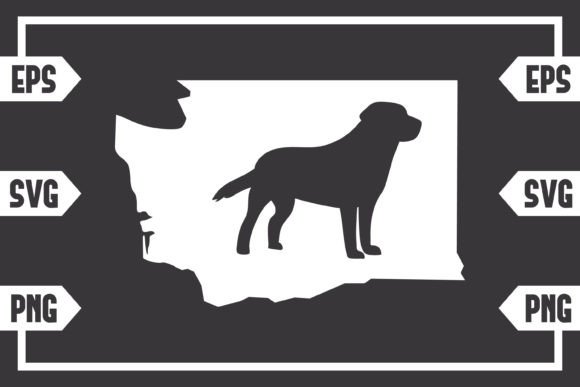
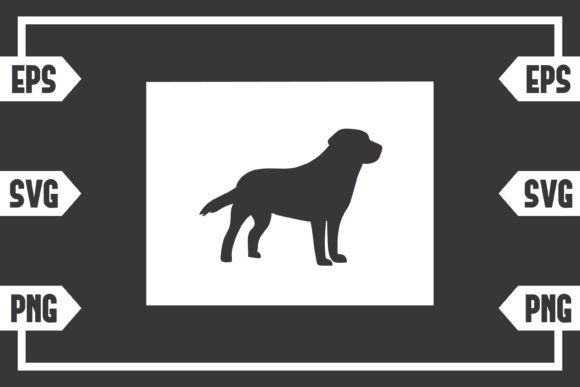
When I first opened the Wyoming - Dog design file, I was struck by its straightforward, honest character. This is not a fussy, overly detailed illustration that tries to impress with complexity. Instead, it presents a clean, recognizable silhouette of a dog that feels rooted in the open landscapes the name suggests. As someone who has tested hundreds of embroidery files for real client work and my own shop, I immediately started thinking about how this piece would behave under the needle, what fabrics it would love, and which products would make it shine. Let me walk you through what I found after stitching it out and evaluating it for a range of crafts and graphics applications.
A First Look at the Design's Mood and Structure
The Wyoming - Dog design carries a rugged, outdoorsy feel without being overly rustic or cartoonish. The shape is bold and readable, which is exactly what you want when you are investing time in a machine embroidery design. It has a solid presence that works well for both custom apparel and handmade product lines. The layout is balanced, and the visual personality leans toward loyal, dependable, and unpretentious—qualities that resonate with dog lovers who appreciate a timeless look rather than a trendy doodle.
Because it is delivered as an SVG file, I appreciate that it can be used directly in digital embroidery file workflows through conversion software or opened in design suites for adjustments. The digital download format means you have the flexibility to scale, rotate, or modify the artwork before converting it into a stitch file. However, as with any applique design or embroidery project that starts as vector graphics, you will want to test the final stitch file on scrap fabric first to confirm that the detail level translates well into thread.
Real-Life Scenario: A Custom Tote Bag for a Local Shop
I decided to test Wyoming - Dog on a project that many small business owners and Etsy sellers face: creating a batch of personalized tote bags for a boutique that sells outdoor gear and pet accessories. The client wanted something that would appeal to hikers and dog owners alike, and the design needed to stitch cleanly on a medium-weight canvas tote without overwhelming the bag's size.
I hooped the canvas with a tear-away stabilizer and used a medium hoop size that accommodated the full design. The stitching came out crisp. The fill stitch areas covered nicely without excessive stitch density, and the outline created a clear boundary that popped against the fabric. The thread colors I chose were a warm charcoal for the main body and a subtle cream for the accent, which gave the bag a refined, boutique-ready look. The finished product felt substantial and giftable, exactly the kind of handmade product that builds customer trust and repeat business.
For a small shop product like this, the design's simplicity works in your favor. It stitches quickly, which matters when you are producing multiple units, and it cleans up well with minimal trimming. The finished product looked professional enough to sell at a premium, and the client reported strong engagement from customers who appreciated the local, outdoor-inspired aesthetic.
How Wyoming - Dog Performs Across Different Products
After the tote bag test, I wanted to see how the design would hold up on other surfaces. I tried it on a sweatshirt embroidery project using a mid-weight cotton-poly blend. The satin stitch details in the design stayed clean and did not distort, even on the slightly stretchy fabric. I used a cut-away stabilizer for the sweatshirt, and the machine embroidery design maintained its shape through multiple washes.
On a baby embroidery project—a small onesie—I scaled the design down slightly. The running stitch elements remained legible, and the overall look was soft and sweet without being overly cutesy. For holiday embroidery gifts, I could see this working well on a pillow cover or kitchen towel, especially if you pair it with a rustic font or a simple border. The embroidered patch potential is also strong: stitch it on felt or twill, cut it out, and attach it to backpacks, caps, or jackets. For cap embroidery or hats, you will want to test the design on a curved surface, as the bold shape should fit well on a front panel or side profile.
For commercial embroidery use, this design is versatile enough to brand a line of custom apparel for a pet store, veterinary clinic, or outdoor retailer. It also makes a compelling personalized gift item for dog owners who want something beyond a generic monogram. The design's visual clarity ensures that it reads well from a distance, which is a key factor for boutique branding and craft fair products.
Where to Use This Design Carefully
No design is perfect for every surface, and Wyoming - Dog has a few considerations worth noting. On small hoop sizes, you may need to scale the design down, which could reduce the detail in the head or tail area. I recommend testing the design at 70% of the original size before committing to a batch of small items like baby clothes or caps.
On textured fabrics like fleece or thick knits, the fill stitch areas may sink into the fabric, making the outline less sharp. A heavier stabilizer or a topper can help, but it is worth testing a sample first. Similarly, on stretchy fabric such as jersey or ribbed knit, the design may distort if not properly stabilized. I recommend a cut-away stabilizer for any stretchy garment and a careful check of the stitch density to avoid puckering.
On dark fabric, the design's contrast is critical. If you are using a dark thread on a dark background, the shape may lose definition. I tested it on a black tote with a light gray thread, and the result was excellent. However, on navy or charcoal fabric with a dark thread, you may want to add a subtle outline or choose a lighter thread color to ensure the design assets remain visible. For layered garments like jackets with multiple panels, consider the placement carefully so that the design sits flat and does not catch on seams.
If you are planning to sell finished products or digital products featuring this design, always confirm the licensing terms before use. The product description clearly states it is a digital download with an SVG file, and it is your responsibility to check whether commercial use is allowed for your specific business model. This applies to Etsy listings, craft business merchandise, and any printable mockups you create for product previews.
Practical Designer Notes for the Best Results
Here are the key takeaways from my testing that I would share with any embroidery designer or small business owner considering this file:
- Test on scrap fabric first. This is non-negotiable. The SVG file gives you a clean vector, but the stitch-out depends on your machine, thread, and fabric combination. Run a test on fabric similar to your final product to catch any issues with stitch density or tension.
- Check thread color contrast. The design works best when the thread stands out clearly from the fabric. For light fabric, go with a medium to dark thread. For dark fabric, choose a light or bright thread. A neutral palette works well for a rustic look, but do not be afraid to use a bold color for apparel decorator projects.
- Review the stitch density. If the design feels too dense in certain areas, consider reducing the density in your software or using a lighter fill stitch. Overly dense designs can cause fabric puckering, especially on lightweight fabrics.
- Confirm hoop size. Make sure the design fits comfortably within your hoop with room for the fabric and stabilizer. If you are using a small hoop, scale the design down and test again.
- Inspect small details. The Wyoming - Dog design is not overly detailed, but any fine lines or small elements should be checked for legibility, especially if you plan to scale it down for baby embroidery or hats.
- Test in black and white mockups. Before stitching, view the design in grayscale to see how the contrast will read. This helps you spot areas where the shape may blend into the background.
- Compare light and dark fabric backgrounds. If you plan to offer the design on multiple colors, test it on both a light and a dark fabric to ensure it works across the board.
- Use proper stabilizer. For most fabrics, a cut-away stabilizer will give you the best results. For stable fabrics like canvas or denim, a tear-away may suffice. For stretchy or delicate fabrics, use a cut-away or a fusible stabilizer.
- Confirm licensing before selling. Whether you are creating personalized gift items, commercial embroidery products, or digital products, verify that your use is covered by the license. This protects your craft business and builds trust with your customers.
Final Thoughts on Wyoming - Dog for Your Embroidery Projects
Wyoming - Dog is a solid, versatile design that fits naturally into a wide range of embroidery projects. It is not trying to be everything at once, and that is its strength. It delivers a clear, recognizable shape that appeals to dog lovers, outdoor enthusiasts, and anyone looking for a dependable machine embroidery design for custom apparel or handmade product lines.
As a creative entrepreneur or hobbyist, you can use this design to build a cohesive product line, from tote bag designs and sweatshirt embroidery to embroidered patches and holiday embroidery gifts. It performs well on a variety of fabrics, and with a little testing, it will reward you with consistent, professional results. The SVG format gives you flexibility, and the clean aesthetic ensures that your finished product will resonate with buyers who appreciate quality and thoughtfulness.
If you are an Etsy seller looking to expand your small shop product offerings, or a maker who wants to create personalized gifts that feel intentional, Wyoming - Dog is worth a close look. Just remember to test, adjust, and confirm your setup before you stitch your final product. That is the mark of a professional, and it is what separates a good design from a great finished piece.