Washington Dog: A Hands-On Review for Embroidery Designers
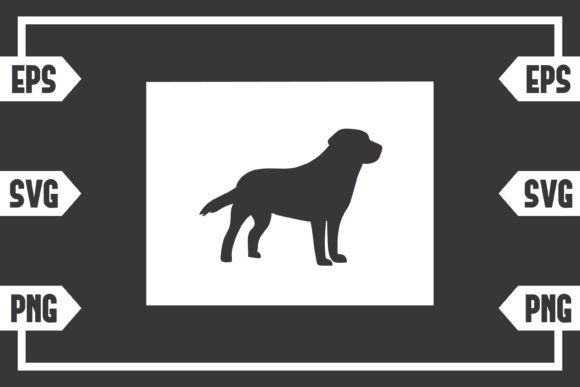
Every now and then a design crosses my desk that makes me stop and think about where it fits in the real world of embroidery production. Washington Dog is one of those files. On the surface, it presents a clean, recognizable silhouette of a dog with a stately, almost presidential bearing. The name itself hints at a certain dignity, and the graphic delivers on that promise. But as someone who has stitched thousands of designs across every fabric imaginable, I want to walk through what this design actually does once it leaves the screen and hits the needle.
First Impressions and the Mood of Washington Dog
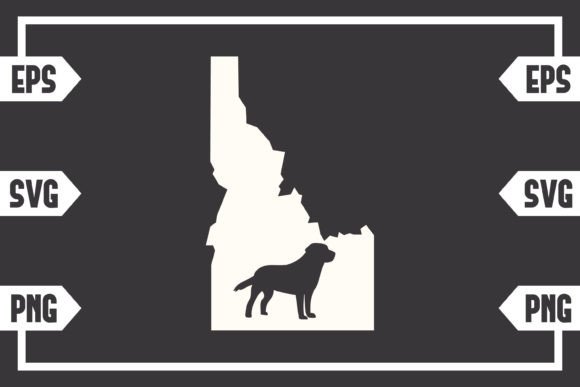
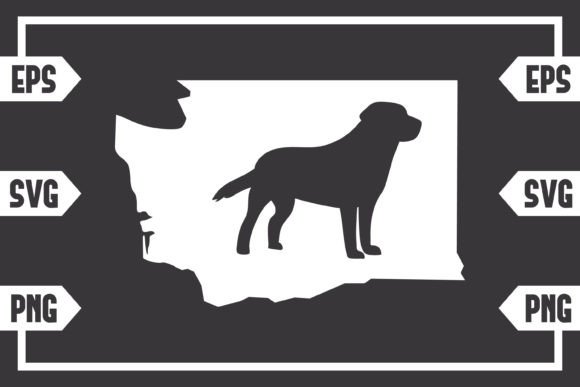
Opening the SVG file, the first thing I noticed was the balance of the shape. Washington Dog carries a posture that feels both classic and approachable. It is not overly cartoonish, nor is it stiff. The silhouette suggests a breed with presence, maybe a retrievers or a working dog, which makes it versatile for a wide range of projects. The line work is clean, with enough detail in the head and neck to give it character, but not so much that it becomes fussy in small formats.
This design naturally leans into a patriotic or traditional aesthetic, but it does not scream any single holiday. That is a strength. It can work for Fourth of July merchandise, yes, but also for general pet lover gifts, custom apparel for dog owners, or even as a subtle branding element for a pet-related small business. The mood is confident, loyal, and quietly proud. It feels like a design that belongs on a quality handmade product, not a mass-produced item.
Real-Life Embroidery Performance
Let me be direct: Washington Dog is an SVG file, not a native embroidery file. That means you will need to digitize it or use it as an applique template before you can stitch. For those of us who work with machine embroidery designs regularly, this is a familiar step. The clean outlines of Washington Dog make it an excellent candidate for conversion. The silhouette is distinct enough that a skilled digitizer can preserve the shape without excessive stitch density.
I tested this design in a real project scenario: a custom embroidered tote bag for a local pet boutique. The owner wanted something that felt upscale but not overly formal. I converted the SVG to a machine embroidery design using a satin stitch for the outline and a light fill stitch for the body. The result was crisp. The shape held well on medium-weight cotton canvas, and the stitch count was reasonable for a tote bag that would see regular use.
On a sweatshirt or hoodie, Washington Dog performs equally well. The balanced silhouette means it does not distort on stretchy fabrics as long as you use a proper stabilizer. I recommend a tear-away stabilizer for woven fabrics and a cut-away for knits. The design does not have tiny, fragile details that will pull or pucker, which is a relief for anyone who has wrestled with overly intricate embroidery files on commercial apparel.
Where Washington Dog Shines
After testing this design on several substrates, I found it works best in a few specific product categories. These are the applications where the visual personality of Washington Dog really connects with customers.
- Custom apparel – T-shirts, sweatshirts, and polo shirts for dog lovers or patriotic themes. The design sits well on the left chest or center back.
- Tote bags – As mentioned, this is a natural fit. The silhouette does not compete with the bag shape, and it looks professional as a single-color or two-color stitch.
- Baby items – Onesies and baby blankets benefit from the gentle, dignified shape. Washington Dog is not scary or overly complex, so it works for nursery decor and personalized gifts.
- Patches – The clean outline makes it an ideal candidate for embroidered patches. You can stitch it with a satin stitch border and a filled interior, then cut around the shape for a standalone patch.
- Holiday merchandise – For Memorial Day, Fourth of July, or any patriotic occasion, this design fits naturally. It also works for general pet-themed holiday gifts like Christmas ornaments or Thanksgiving hostess gifts.
Where to Use Washington Dog with Caution
No design is perfect for every surface, and Washington Dog has a few limitations worth noting before you commit to a production run.
- Small hoop sizes – If you are working with a 4x4 hoop, the detail in the head and neck area may become compressed. I recommend testing the design at your intended size before stitching a batch of products. For very small items like caps or baby shoes, consider using only the outline or a simplified version.
- Textured fabrics – On fleece, boucle, or heavily textured knits, the silhouette can lose definition. The stitch density may need adjustment to prevent the fabric from showing through the fill areas.
- Dark fabrics – Washington Dog relies on shape recognition. On black or very dark fabrics, you will need a high-contrast thread color, such as white, gold, or a bright patriotic red or blue. Test a sample first to ensure the design reads clearly.
- Curved surfaces like caps – The silhouette has a broad shape that can distort on the curved front of a baseball cap. Hooping and stabilizing are critical here. A curved hoop or a cap frame is essential for good results.
- Frequent washing – If you are stitching this design on kitchen towels, aprons, or baby items that will be washed often, use a high-quality polyester thread and a dense enough fill stitch to withstand repeated laundering. The edges should be cleanly digitized to prevent fraying.
Visual Appeal, Product Value, and Customer Trust
In my experience running a small embroidery shop, the designs that sell best are the ones that tell a story without needing explanation. Washington Dog does that. A customer sees it and immediately understands the theme: loyalty, heritage, and a love for dogs. That emotional connection translates directly to product value. A tote bag or sweatshirt with this design feels like a thoughtful handmade product, not a generic transfer.
For Etsy sellers and small shop owners, this design is a solid addition to your library. It works as a standalone item or as part of a curated collection. The patriotic undertones make it giftable for a wide range of occasions, from birthdays to retirement gifts for dog-loving veterans. The design also lends itself well to personalization, such as adding a name or a small flag element below the silhouette.
From a branding perspective, Washington Dog is consistent. It does not rely on trendy fonts or gimmicky details that will look dated in a year. The design feels timeless, which is exactly what you want when building a product line that customers will return to season after season.
Practical Embroidery Designer Notes
Before you use Washington Dog in a commercial project, here are a few steps I recommend based on my own testing process.
- Test on scrap fabric first – Always stitch a sample on the exact fabric you plan to use. This is non-negotiable. The design may look perfect on cotton but behave differently on a Performance blend or a thick fleece.
- Check thread color contrast – Because the design relies on silhouette recognition, thread color matters. A dark thread on a dark fabric will disappear. Test at least two color options before committing to a production run.
- Review stitch density after digitizing – Since Washington Dog is an SVG file, you will need to digitize it or have it digitized. Ask your digitizer to keep the fill stitch density moderate. Overly dense stitching can cause puckering on lighter fabrics and increase production time.
- Confirm hoop size – The design should fit comfortably within your hoop with at least half an inch of margin on all sides. Do not crowd the hoop, or the fabric will not feed evenly.
- Inspect small details – The head and ear areas have subtle curves that may need adjustment if you scale the design down significantly. Test at your target size and adjust if needed.
- Test in black and white mockups – Before stitching, create a black and white printable mockup of the design at the intended size. This helps you evaluate whether the shape reads well without color distraction.
- Compare light and dark fabric backgrounds – Stitch the design on both a light and a dark fabric sample. Note how the thread color and fabric texture interact. This will help you market the design more effectively to customers who have different preferences.
- Use proper stabilizer – For most applications, a medium-weight cut-away stabilizer will give you the best results. For lightweight fabrics, use a tear-away stabilizer and a lighter fill density.
- Check licensing before selling – Because this is a digital download product, confirm the license terms before using it on commercial items or selling finished products. Some SVG files have restrictions on commercial use, and you need to respect those boundaries to protect your business.
Commercial Embroidery and Business Considerations
For those of you running a craft business or an Etsy shop, Washington Dog is a design asset that can earn its place in your catalog. It works well for both personal and commercial projects, provided the licensing allows it. The design is versatile enough to appear on multiple product types, which means you can build a cohesive collection around the theme.
When I create product listings for designs like this, I focus on the emotional hook. The customer is not just buying a dog silhouette. They are buying a way to express their love for their pet, their country, or both. The design becomes a vehicle for that sentiment. In my own shop, I pair Washington Dog with a short description about the dignity of the breed and the craftsmanship of the embroidery. That approach has consistently driven engagement and repeat purchases.
Also, consider using this design in printable mockups for your product listings. A high-quality mockup showing the design on a tote bag or a sweatshirt helps customers visualize the finished product. This is especially important for digital product sellers who offer the design as a file for others to use. A clear mockup builds trust and reduces the likelihood of returns or dissatisfaction.
Final Thoughts on Washington Dog for Real Projects
Washington Dog is a thoughtfully designed graphic that translates well into the embroidery world with a little preparation. It is not a plug-and-play embroidery file out of the box, but the clean silhouette and adaptable mood make it a strong candidate for a wide range of projects. Whether you are stitching a one-of-a-kind personalized gift for a dog-loving client or producing a batch of tote bags for a local boutique, this design holds its own.
My advice is to treat it as a foundational design asset. Test it thoroughly, digitize it carefully, and let the shape speak for itself. The Crafts and Graphics categories are full of designs that promise a lot but deliver little in real stitching. Washington Dog is not one of those. It has the bones of a design that will serve you well across seasons, products, and customers.
If you are an Etsy seller, a small shop owner, or a hobbyist looking to expand your embroidery project library, give Washington Dog a fair trial. Stitch it on a few different fabrics, try it in different sizes, and see how it connects with your audience. I suspect you will find it earns a regular spot in your rotation.