Retro Square Dog Paw: A Designer’s Honest Review
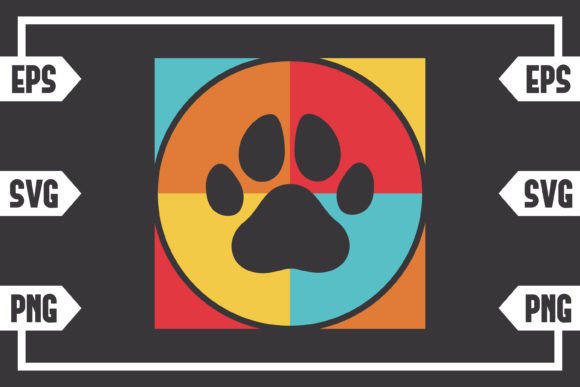
When I first opened the Retro Square Dog Paw file, I’ll admit I was curious how a square format would read on fabric. As someone who has tested hundreds of machine embroidery designs for real projects, I’ve learned that a design’s first impression often tells you whether it will feel like a natural part of the garment or just an applique stuck on. This one landed somewhere between playful and deliberate. The paw shape is clear, the retro vibe is subtle enough to work across styles, and the square boundary gives it a structured, almost badge-like feel. It’s not trying to be cute in a cartoon way. It’s more like a confident, modern graphic that happens to be a paw. That makes it a strong candidate for commercial embroidery work, especially if you’re looking for something that reads as both handmade and intentional.
First Impressions: Mood and Personality
The Retro Square Dog Paw design carries a clean, slightly nostalgic mood without feeling dated. The square outline creates a contained shape that works well for repeat placements or centered spots. The paw itself is simplified, which is a smart choice for embroidery because it means the detail will hold up at smaller sizes. The layout feels balanced, and the visual personality leans toward modern rustic or urban casual. I could see this on a sweatshirt, a tote bag, or even a cap. It doesn’t scream “dog lover” in a loud way. Instead, it signals an appreciation for pets in a more understated, design-forward way. That’s a sweet spot for sellers who want to attract customers looking for something beyond the typical cartoon paw. The design feels like it belongs in the Graphics category for good reason—it’s got a vector-like clarity that translates well to embroidery when properly digitized.
Real-World Use: From Tote Bags to Sweatshirts
I recently used this design to prepare a custom embroidered tote bag for a client who wanted something for daily errands. The Retro Square Dog Paw sat nicely on the front center panel of a medium-weight canvas tote. The square shape gave it a finished look, almost like a woven patch. I tested it first on a scrap piece of similar fabric, and the stitch clarity was solid. The simplified paw details meant the satin stitch edges stayed crisp, and the fill stitch areas didn’t feel overly dense. The client loved that it didn’t look like a generic iron-on. It looked like a real embroidery project. That’s the kind of reaction you want when you’re building a small shop product or an Etsy listing. The design feels like it was made for custom apparel and handmade gifts. It would also work well on a sweatshirt, especially in a single color or a two-color split. The square shape gives you room to play with thread colors without overwhelming the layout.
Performance Across Different Embroidery Projects
In my experience, Retro Square Dog Paw performs best on stable, medium-weight fabrics. Here’s a quick breakdown of how it handles different product types:
- Custom apparel: Works great on sweatshirts, t-shirts, and jackets. The square shape feels balanced on chest or left sleeve placements.
- Embroidered patches: The square boundary makes it ideal for patch production. The design stays contained, and the edges are clean enough for a merrowed or satin stitch border.
- Tote bags and aprons: The bold shape holds up well on canvas and twill. You can use a heavier stabilizer to keep the fabric from puckering.
- Baby embroidery: If you scale it down, the simplified paw works for baby onesies or bibs. Just be careful with stitch density on thin fabric.
- Holiday and gift items: This design would make a thoughtful personalized gift for a dog owner. It’s subtle enough to work on a pillow cover or kitchen towel without looking kitschy.
- Commercial embroidery: For small business merchandise, this design reads as professional and branded. It would look great on a cap or a hat, provided you test the curve first.
Where This Design Needs Careful Handling
No design is perfect for every surface, and Retro Square Dog Paw has a few considerations to keep in mind. The square shape means it will be more visible on curved surfaces like caps or sleeve cuffs. You may need to adjust the hoop size or use a floating method to keep the alignment straight. On dark fabrics, the contrast between thread colors matters more because the square outline can get lost if the thread is too similar to the fabric. I recommend testing it on a dark scrap first, especially if you plan to use a single color. Stitch density is another factor. The design has areas of fill stitch and satin stitch, which can feel dense if scaled too large. Make sure your stabilizer is strong enough to handle the stitch count. A medium-weight tear-away or cut-away stabilizer works well for most fabrics. If you’re working with stretchy knits, consider a cut-away stabilizer to prevent distortion. And always check the small details—the paw pad lines and toe details—before committing to a full production run. Those tiny areas can sometimes lose definition if the thread tension isn’t dialed in.
How Retro Square Dog Paw Adds Value to Your Products
When I look at a design for commercial use, I think about how it affects the finished product’s perceived value. The Retro Square Dog Paw adds a layer of intentionality. It looks like a design that was chosen, not just picked from a generic set. That makes a difference in how customers trust your brand. If you’re an Etsy seller or a small shop owner, this design can help you create products that feel like they were made with care. The square shape also makes it easy to pair with text or other graphics in a layout. You could add a name or a phrase above or below the paw, and the square boundary gives the whole composition a clean frame. This design works well for printable mockups too. If you’re selling digital products or design assets, the SVG file format means you can preview it on different backgrounds without losing quality. The Crafts category is a natural home for this design because it’s versatile enough to be used on both physical products and digital presentations.
Practical Notes Before You Stitch
Before you load this design into your machine, take a few minutes to run through these checks. They’ll save you from wasted thread and fabric:
- Test on scrap fabric first. Use the same fabric type you plan to use for the final product. Check the stitch quality and adjust tension if needed.
- Review stitch density. The design has areas of fill and satin stitch. Make sure the density isn’t too high for your fabric weight. If it feels tight, consider reducing the density in your software.
- Check thread color contrast. This is especially important for dark fabrics. Test a light thread color against the fabric to ensure the paw shape and square outline are visible.
- Confirm hoop size. The design is a digital embroidery file, but you’ll need to verify the hoop size based on the scaled dimensions. Don’t assume it fits your hoop without checking.
- Inspect small details. The paw pad lines and toe tips should be crisp. If they look blurry in the preview, test them at a slightly larger scale.
- Use proper stabilizer. For most medium-weight fabrics, a medium cut-away stabilizer works well. For lightweight fabrics, use a lightweight stabilizer and consider a floating technique.
- Check licensing. This is a digital download, so confirm the license terms before selling finished items or using it in commercial embroidery. The file is an SVG, which is great for cutting machines and design software, but verify whether it’s intended for embroidery digitizing or direct use.
Final Thoughts on Retro Square Dog Paw for Real Projects
I’ve used a lot of designs in my time, and the Retro Square Dog Paw stands out because it doesn’t try to be too much. It’s a simple, well-proportioned graphic that translates into embroidery without losing its character. It adds value to products like tote bags, sweatshirts, and patches, and it gives customers a reason to trust your work. If you’re a small business owner, Etsy seller, or hobbyist looking for a design that feels both handmade and professional, this one is worth adding to your library. Just take the time to test it on your machine, dial in your stabilizer, and think about how the square shape will sit on your chosen product. When you do, you’ll end up with a finished product that looks like it was always meant to be there.