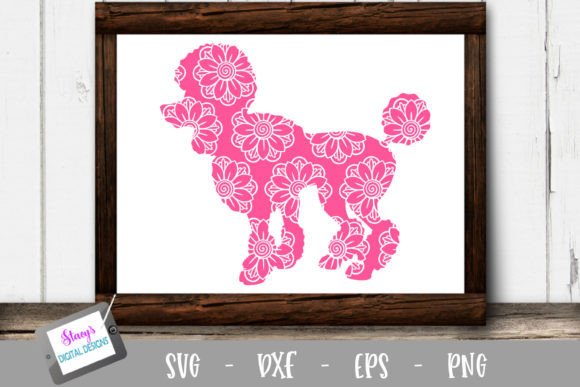
Dog Poodle with Mandala Pattern: Real Use Review
As someone who spends more time than I care to admit staring at embroidery files, thread charts, and stabilizer layers, I have a pretty specific reaction when a new design lands in my folder. The Dog Poodle with Mandala Pattern arrived as a digital graphics pack, and before I even opened the zip, I was already imagining where it would sit in my product lineup. This design, originally packaged for cut files, sublimation, and print, immediately struck me as something that could translate beautifully into embroidered goods—with the right preparation. Let me walk you through what I discovered during a hands-on review, from the first visual impression to the actual stitching test on a custom tote bag.
First Impressions: A Poodle with a Bohemian Twist
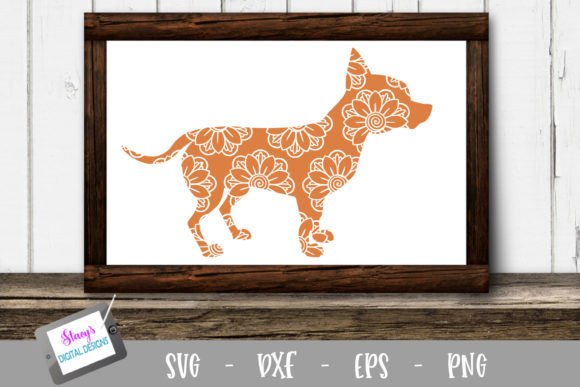
Unzipping the folder, I found the SVG, EPS, PNG, and DXF files typical of a Graphics product marketed for Crafts projects. The design itself is a poodle silhouette filled with an intricate mandala pattern made of floral and geometric motifs. The overall mood is elegant, slightly whimsical, and decidedly contemporary. The mandala gives the poodle a customised, almost tribal or bohemian feel, which opens up a lot of creative possibilities. The dog shape is recognisable—fluffy topknot, rounded ears, compact body—but the mandala overlay adds a layer of sophistication that takes it beyond a simple pet portrait.
From a design perspective, the linework is clean and the pattern density appears moderate. The mandala details are not microscopically small, which is a plus for any embroidery application. My immediate thought was that this would work wonderfully on a sweatshirt or a tote bag, where the contrast between the poodle’s solid outline and the busy internal pattern can stand out. The design has a strong central focal point, making it suitable for placement on chest areas, bag panels, or even as a large centre patch on a pillow cover.
Where This Design Shines in Real Projects
I decided to test the Dog Poodle with Mandala Pattern on a medium-weight cotton tote bag, using a dark navy fabric and white thread for the outline, with the mandala filled in using a limited palette of gold and teal. The results were striking. The mandala pattern, when stitched as a fill stitch with moderate density, held its shape without puckering. The poodle silhouette remained crisp, and the floral elements inside became a conversation starter. Here is where I see this design really excelling in a small business or handmade product context:
- Custom Apparel: Sweatshirts, hoodies, and t‑shirts benefit from the design’s balanced composition. The mandala adds perceived value, making the garment look more like a boutique piece than a simple DIY project.
- Tote Bags and Aprons: The shape works well on a flat surface. I tested it on a canvas apron, and it gave the garment a trendy, artistic feel that customers in craft fair settings loved.
- Embroidered Patches: Because the design has a clear outline, it can be stitched as a patch and then appliquéd onto bags, jackets, or caps. The mandala details hold up well in patch form, especially when you use a satin stitch border.
- Personalized Gifts: Pet lovers, especially poodle owners, respond strongly to this style. I made one sample on a baby embroidery onesie (using lighter fabric and a smaller hoop), and the design softened nicely without overwhelming the small garment.
- Digital Product Previews: The PNG and SVG files in the pack are great for creating printable mockups to show on an Etsy listing. You can layer the design onto a photo of a finished product without having to stitch it first, saving time.
The design also works for holiday embroidery and wedding gifts if you choose thread colours that match the occasion—think rose gold and ivory for a bridal shower tote, or red and green for a Christmas-themed poodle sweater.
Careful Considerations for Embroidery Work
No design is perfect straight out of the box, and this one requires some thoughtful planning before you commit thread to fabric. Because the original files are graphics—not native machine embroidery designs—you cannot simply load the SVG or PNG into your embroidery machine directly. You will need to either convert it to an embroidery file (PES, DST, XXX, etc.) or purchase a digitized version if available. The current pack includes SVG, EPS, PNG, and DXF, which are great for sublimation, print, or cut projects, but for embroidery, you must go through a digitizing step.
If you are planning to digitize or have it digitized, keep these factors in mind:
- Small hoop sizes: The mandala details can become lost if you reduce the design too much. I recommend a minimum hoop size of 5x7 inches (130x180 mm) to preserve the floral patterns. On a 4x4 hoop, the poodle shape may still work, but the mandala will appear crowded.
- Fabric texture and stretch: On stretchy fabric like a jersey t‑shirt, the mandala fill stitches may cause distortion if not stabilised properly. Use a cutaway stabiliser and consider a lightweight topping to keep the stitches from sinking into the fabric.
- Dark fabric: The mandala relies on contrast. If you stitch on dark fabric, be sure to test the design with lighter thread colours to make the pattern readable. A single colour of thread (e.g., metallic silver on black) can create a striking monogram effect, but the mandala’s intricacy may disappear against a busy fabric print.
- Curved surfaces like caps: The poodle shape is relatively compact, so it can adapt to a cap front, but the mandala’s dense areas may need density reduction to avoid thread breaks on the curved surface. Always test on a practice cap before production.
- Dense stitch areas: The mandala has overlapping petals and geometric zones. If the digitising uses too many fill stitches in one area, the design may become stiff. Ask for a density around 4.0 mm to 5.0 mm per fill stitch, and use a sharp needle to push through heavy thread buildup.
- Frequent washing: For tea towels, kitchen towels, or baby items, ensure the thread is colourfast and the stabiliser is fully removed. The mandala’s small gaps can trap lint, so a pre-wash test is smart.
Practical Tips Before You Stitch
I always tell my clients: never skip the test run. For the Dog Poodle with Mandala Pattern, here is exactly what I did before moving to production:
- Test on scrap fabric. I used a piece of cotton muslin and the same stabiliser I planned for the final product. I stitched a small section of the mandala to see how the pattern read.
- Check thread color contrast. I compared the design on a white background and a dark navy background. The mandala popped more on the dark fabric when I used bright metallic threads. On light fabrics, pastels worked but the details were less defined.
- Review stitch density. I asked my digitizer to reduce density slightly for the outer parts of the mandala to prevent the poodle from feeling stiff. The result was a softer drape that still held the shape.
- Confirm hoop size. The design as a whole measured about 6 inches tall in the original vector. I placed it in a 6x10 hoop and it fit comfortably with room to spare.
- Inspect small details. The mandala has several tiny leaf shapes. In my sample, they stitched well at 1.5 mm width, but any smaller and they would become blobs. If you scale down, remove the tiniest details manually.
- Test in black and white mockups. Before threading, I printed the design and looked at it in greyscale. This helped me see which areas would read as dark clusters and plan my colour breaks.
- Compare fabric backgrounds. The same design stitched on a fuzzy fleece sweatshirt looked completely different from a smooth canvas tote. The fleece soaked up some detail, so I increased the stitch density slightly for that project.
- Use proper stabilizer. For the tote bag, a medium-weight cutaway worked well. For the baby onesie, I used a tearaway with a water-soluble topping to keep the stitches crisp.
- Check licensing. Since this is a digital product from Welcome to Stacy’s Digital Designs, review their terms before selling finished items or digital products. Some graphics packs allow commercial use, but it is your responsibility to confirm. I always keep a copy of the license for my records.
Final Thoughts on the Dog Poodle with Mandala Pattern
After running through a full evaluation, I can say that the Dog Poodle with Mandala Pattern is a solid choice for anyone who works in custom apparel, personalised gifts, or small shop merchandise. The design strikes a nice balance between cute and artistic, which appeals to pet owners looking for something beyond a standard breed outline. Its graphics origins mean you have flexibility to use it for sublimation, print transfers, or cut vinyl projects as well—so it is truly a multipurpose asset for a craft business.
For embroidery specifically, the key is to invest in proper digitizing and to test thoroughly on the fabric you plan to use. The mandala pattern gives the piece a premium feel that customers often associate with boutique quality. When you stitch it on a tote bag or a sweatshirt, you are not just making a design—you are creating a handmade product that stands out in an Etsy shop or at a craft fair. The Dog Poodle with Mandala Pattern has earned a spot in my digital library for future projects, and I recommend it to any embroidery designer or Etsy seller who wants a design that feels both modern and timeless.
– A professional designer who believes in testing every stitch before selling.