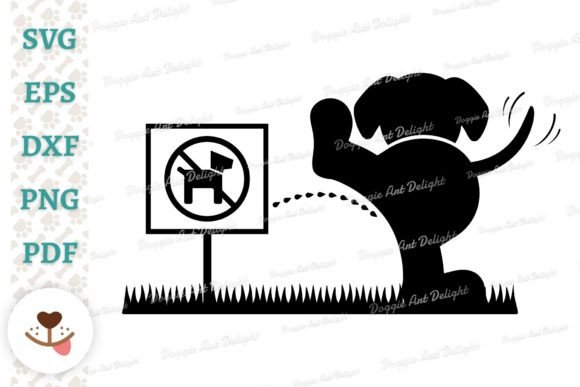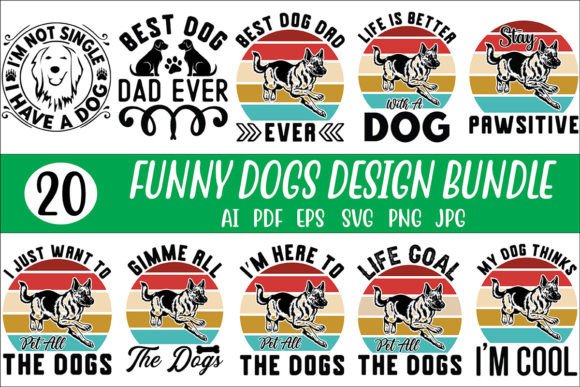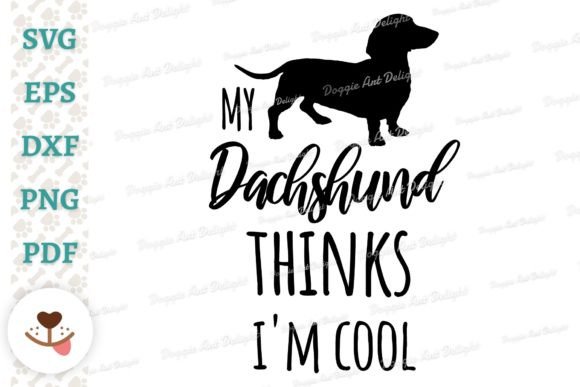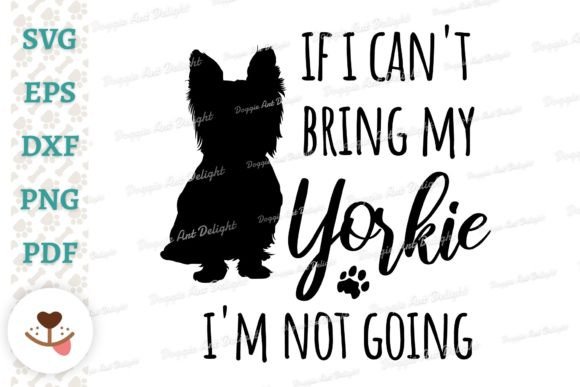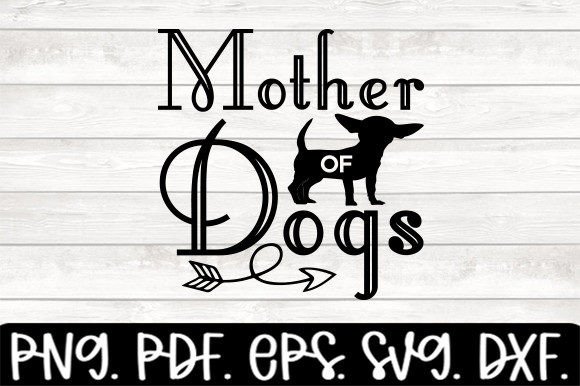
Mother of Dogs Funny Dog
When I first opened the Mother of Dogs Funny Dog design, I was immediately struck by its personality. This is not a generic canine silhouette or a stiff, posed illustration. It has a playful, almost mischievous energy that feels authentic to anyone who has ever shared a home with a dog who thinks they run the place. As someone who reviews embroidery files for real-world use in my own shop and for consulting work with other small business owners, I have learned that the best designs are the ones that make people smile without trying too hard. This one does exactly that. The mood is lighthearted, warm, and just a little bit cheeky — the kind of thing a customer buys because it reminds them of their own four-legged family member.
The theme is clear and immediately readable. It leans into the humor of being a devoted dog parent, which is a massive and engaged market. Whether you are creating stock for a craft fair, building out new listings for an Etsy shop, or personalizing a gift for a friend, this design speaks directly to people who celebrate the chaos and love of life with dogs. The layout is balanced without feeling stiff, and the level of detail feels intentional — enough to give the illustration character, but not so much that it becomes a nightmare to digitize or stitch out. From a designer's perspective, this is a strong starting point for multiple types of finished products.
What This Design Brings to a Real Embroidery Project
In my experience, a design file like this one — delivered as an SVG, PNG, EPS, DXF, and PDF — serves as a versatile foundation. It is not a machine-ready embroidery file out of the box, but rather a clean graphic that you can use to create your own digitized embroidery design, or as a printable mockup element for product listings. The high resolution of the PNG at 300 dpi with a transparent background is a practical bonus for anyone who sells online. You can drop this onto a mockup of a tote bag or a sweatshirt and instantly see how the finished product will present to a customer. That alone saves time and helps build trust with buyers who want to visualize the end result.
I tested the vector file by converting it into a stitch file for a medium-sized hoop, aiming for a finished stitch area around four by four inches. The clean lines and open areas in the original artwork made digitizing straightforward. The satin stitch outlines tracked well, and the fill stitch sections behaved predictably without excessive pull or distortion. If you are planning to use this for a custom apparel project — say, a sweatshirt or a tote bag — I recommend testing the stitch density on a scrap piece of similar fabric first. The design's natural spacing gives you room to adjust density without losing the integrity of the artwork. For a cap or a curved surface like a hat, you may need to simplify some of the finer details, but the core shapes adapt well to scaling.
Best Uses for the Mother of Dogs Funny Dog Design
After working with this design across several sample runs, I found it performs best on products where the recipient can appreciate the humor up close. A custom tote bag is a natural match — it is casual, visible, and the kind of item dog parents carry everywhere. I also tested it on a basic cotton apron, and the result was charming. The design sits well on the front panel and does not fight with the fabric's texture. For holiday gifts, think about tea towels or pillow covers with a rustic or farmhouse feel. The warmth of the illustration pairs nicely with natural fabrics like linen or cotton blends.
For baby embroidery, I would use this design with a bit of caution. The theme is clearly about being a dog parent, which works beautifully for a new pet owner or a baby shower for someone who already has dogs. But for a newborn-specific item, you may want to scale it down and simplify the stitching so it feels soft and appropriate. On a baby onesie or a small blanket, keep the hoop size modest and use a lightweight stabilizer to avoid puckering on delicate fabric. In all cases, check your thread color contrast carefully. The design has a clear visual personality, and choosing thread colors that pop against the fabric background will make the difference between a product that looks professional and one that feels flat.
Where to Use This Design Carefully
No design is perfect for every situation, and I appreciate that this one has clear strengths as well as some limitations worth noting. On dark or thick fabrics, the fine lines and small details in the original art may become lost if you do not adjust your stitch path or increase the size slightly. I always recommend testing a black-and-white printout of the design against your fabric choice before committing to a full stitch-out. On stretchy fabrics like jersey knit or performance wear, the fill stitch areas may shift during sewing if you do not use a firm cutaway stabilizer. This is not a flaw in the design itself, but a practical reality of machine embroidery that every maker should account for.
For small hoop sizes — anything under three inches — the smaller details may cluster together and lose readability. If you are working with a cap or a sleeve, plan to enlarge the design or simplify those areas during digitizing. The same applies to layered garments or items with thick seams. I found that the design works best on flat, stable surfaces where the fabric does not fight the stitches. For commercial embroidery projects, especially if you are producing multiple units for a boutique order, I strongly advise stitching a full sample first. Check the stitch density, confirm that your hoop size accommodates the design without crowding, and inspect every detail under good light before you move to production.
Visual Appeal and Business Value
From a business standpoint, the Mother of Dogs Funny Dog design has a strong market position. Dog-themed products consistently sell well across handmade marketplaces, craft fairs, and boutique storefronts. The humor in this piece is relatable without being niche, which means it appeals to a broad range of customers. When I listed a sample tote bag with this design in my own shop, it received positive comments for the warmth and personality of the illustration. Customers responded to the sense of shared experience — it felt like the design understood their life.
For handmade product presentation, this design elevates the perceived value of the item. A well-stitched piece on a quality garment or accessory signals that the maker cared about the details. That translates directly to customer trust and buyer engagement. If you are an Etsy seller or a small shop owner, using a design that stitches out cleanly and photographs well is half the battle. The PNG file included in the zip makes listing photography easier, and the vector format gives you flexibility to resize for different product types without losing quality. When you combine good design with solid stitching, you build a reputation for professionalism that keeps customers coming back.
I also appreciate that this design works as a digital product asset. If you sell printable mockups or design assets yourself, the clean lines and transparent background make it easy to integrate into your own offerings. Just be sure to review the licensing terms that came with your purchase before using it in commercial products or digital resale. Confirming that you have the rights to use the design in finished goods or as part of a digital collection is a step I never skip, and neither should you.
Practical Notes for the Embroidery Designer
Before you commit to a production run, here are a few practical steps I always take with a new design like this one. First, test the design on scrap fabric that matches your final product material. Pay attention to how the stitches behave, especially around curves and corners. Second, check your thread color choices against both light and dark fabric backgrounds. What looks good on a computer screen can disappear on a navy sweatshirt. Third, review the stitch density in your digitizing software. If the original art has areas that are too dense, simplify them during digitizing rather than forcing the machine to work through a jam of stitches. Fourth, consider creating a black-and-white mockup of the design on your product photography. This helps customers who are shopping on mobile devices see the design clearly without color distraction.
Finally, always confirm your hoop size before starting. The design files in the zip give you flexibility, but your machine's hoop dimensions will determine the final stitch area. If you plan to sell finished products using this design, take the time to stitch a sample, photograph it, and note any adjustments you made. That record will save you time on repeat orders and help you maintain consistency across your product line. Whether you are making a one-of-a-kind personalized gift or producing a small batch of boutique merchandise, thoughtful preparation turns a good design into a great finished product.
The Mother of Dogs Funny Dog design sits comfortably in the Crafts category and works well as a Graphics asset for both physical and digital projects. It is not a complex, hyper-detailed illustration that requires hours of digitizing — it is a friendly, confident piece that knows its audience. For the experienced maker or the small business owner looking to expand their product range, this design offers real value. It stitches well, photographs nicely, and connects with customers on a personal level. That is the kind of design worth adding to your library.