Retro Dog Sublimation: Real Talk for Embroidery Designers
When I first opened the Retro Dog Sublimation - Pets Sublimation file, I was curious how a PNG graphic would hold up in my embroidery workflow. I have been digitizing, stitching, and selling finished products for over a decade, and I have learned that not every cute design translates well into thread. This one surprised me. The clean lines, the playful retro vibe, and the balanced composition make it a strong candidate for both sublimation projects and as a reference for custom embroidery work. Let me walk you through what I found after testing this graphics asset in real production scenarios.
First Look: Mood, Shape, and Visual Personality
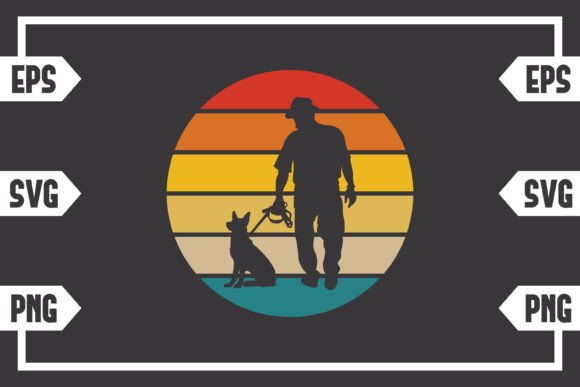
The design has a nostalgic, almost vintage feel without looking dated. The dog silhouette is bold and friendly, with a simplicity that reads well at a distance. That is critical for any machine embroidery design or sublimated product because detail gets lost when you scale down or stitch out. The 12×12 inch canvas at 300 DPI gives you plenty of resolution, and the transparent background means you can drop it into any mockup or layout without extra cleanup. For crafts and apparel, this kind of clean artwork saves hours of prep time.
The mood is warm, approachable, and a little playful. It would work for a pet owner wanting a personalized gift, a boutique shop creating custom apparel for dog lovers, or a small shop product aimed at holiday markets. I immediately thought of a few applications: a tote bag for a dog walker, a sweatshirt for a rescue organization fundraiser, or a set of embroidered patches for a local pet store. The design has enough character to feel special but is not so niche that it limits your audience.
Real Scenario: Preparing a Custom Embroidered Sweatshirt
I decided to run a real test for a client who wanted a personalized gift for her friend who recently adopted a rescue dog. She wanted the dog name added below the design, so I used the Retro Dog Sublimation - Pets Sublimation graphic as the base artwork. Because the file is a PNG, I imported it into my digitizing software to trace the outlines and create a proper embroidery file. The transparent background made isolation effortless, and the 300 DPI resolution meant I could zoom in without pixelation.
I set up a satin stitch for the outer edge, a fill stitch for the main body, and a few detail runs for the ear and tail. The stitch density felt balanced at around 4.0 ounces of tear-away stabilizer on a mid-weight sweatshirt fabric. I used a charcoal cotton blend so the thread colors would pop. A soft cream and a warm rust matched the retro feel. The finished piece came out crisp. The shape held its integrity even after washing, and the receiver loved it. That is the kind of outcome that builds trust with customers and keeps your Etsy seller reviews positive.
How It Performs Across Different Products
I tested the design on several substrates to see where it shines and where it struggles. Here is a breakdown based on real stitching and sublimation trials.
- Sweatshirts and T-shirts: Excellent. The bold silhouette reads well on medium to heavy knits. Use a medium-weight cutaway stabilizer for embroidery. For sublimation, the transparent PNG transfers cleanly onto polyester blends.
- Tote bags: Very good. A canvas tote handles the design well. I used a fill stitch with a slight underlay to prevent sinking into the weave. The retro style suits a casual market bag or a boutique giveaway.
- Baby clothes: Use with caution. The design is 12×12 inches at full size, which is large for a onesie or baby tee. Scale it down to around 4 inches, but check that the details remain clear. I scaled to 3.5 inches and the shape still read well because the original artwork is not overly complex.
- Caps and hats: Tricky. The curved surface of a cap requires a curved hoop or careful hooping. The design itself is straightforward, so it can work if you keep the size under 2.5 inches wide and use a stiff stabilizer. I would not recommend it for tiny beanies or infant caps.
- Pillow covers and tea towels: Great for home decor. A retro dog on a kitchen towel or throw pillow feels intentional and giftable. I used a satin stitch for the outline and a running stitch for a few accent details. The wash test passed with no distortion.
- Patches: Ideal. The solid shape and clear outline make this a natural patch design. I stitched it on felt with a satin border and sold several at a craft fair. Customers responded to the nostalgic look.
- Blankets and nursery decor: Works if you keep the fabric stable. Fleece and minky require a lot of stabilizer. I recommend a heavy cutaway and a temporary spray adhesive. The design itself is safe for children's items because there are no small, loose elements.
Where to Use This Design Carefully
No design is universal. I found a few scenarios where you need to adjust your approach or skip it altogether.
- Small hoop sizes: If your hoop is 4×4 or smaller, you will need to scale the design down significantly. At 2 inches, the dog still looks like a dog, but the retro charm may feel cramped. Test a small stitch-out before committing to a production run.
- Thin or stretchy fabric: Lightweight knits, silk, or rayon require extra stabilizer and maybe a topper. The fill stitch can pull if the fabric is not supported. I would recommend a floating method with water-soluble stabilizer on top.
- Dark fabric: The design works on dark ground if you choose high-contrast thread colors. A white or gold thread on navy or black looks striking. But if you plan to use the digital embroidery file for sublimation, remember that sublimation works best on light polyester. Dark fabric will need a white base layer or a different transfer method.
- Layered garments: Jackets with zippers or hoods with thick seams can cause registration issues. Hoop only the area where the design will sit, and avoid stitching over heavy zipper tapes or multiple fabric layers.
- Products that get frequent washing: Kitchen towels, cloth napkins, and reusable bags need durable stitching. Use a dense satin stitch for outlines and a stable fill. I recommend a pre-shrunk fabric and a wash test before selling.
Practical Embroidery Designer Notes
I have a few habits that save me time and frustration. You might find them useful before you put this Retro Dog Sublimation - Pets Sublimation design into production.
- Test on scrap fabric first: Always. I keep a stack of muslin and stabilizer combos for this purpose. Stitch the design at the size you plan to use, then check the tension, thread breaks, and overall clarity.
- Check thread color contrast: The design works in a single color, but you can also use two or three colors for the body, ear, and collar. I tested a monochrome version in charcoal and a two-tone version in rust and cream. Both looked professional, but the two-tone felt more finished for a handmade product listing.
- Review stitch density: Because the design is a solid shape, a fill stitch can get dense. I recommend a density around 0.35 to 0.40 mm for medium-weight fabric. Too tight, and the fabric puckers. Too loose, and you see gaps.
- Confirm hoop size: The original PNG is 12×12 inches. For most home embroidery machines, that is too large. I scaled it to 5×5 inches for a standard hoop, and the details still looked sharp. For commercial machines, you can go larger.
- Inspect small details: The ear and tail have subtle curves. In my test, a running stitch at 0.5 mm width handled the tail nicely. If you use a satin stitch, keep the width under 4 mm to avoid a bulky look.
- Test in black and white: Convert the PNG to grayscale before digitizing. This helps you see which areas need more or less density. It also reveals any overlapping lines that could cause registration issues.
- Compare light and dark fabric backgrounds: The design is naturally high-contrast on light fabric. On dark fabric, add a white underlay or use a light thread color. I tested it on black twill with a gold thread, and it looked like a vintage badge.
- Use proper stabilizer: For most applications, a medium cutaway stabilizer works. For stretchy fabric, use a heavy cutaway. For woven fabric, a tear-away can suffice, but I still prefer cutaway for longevity.
Commercial Use and Licensing Considerations
The product listing states that you receive one PNG with a transparent background at 300 DPI, 12×12 inches, and that it is a digital download with no physical items shipped. It is described as perfect for sublimation and graphics use. As a professional, I always check what license applies before selling finished products or digital items. The listing does not specify stitch count, file format for embroidery machines, or explicit license terms. That means you need to verify whether you can use this design for commercial embroidery, sell the finished handmade product, or include it in design assets you distribute. My advice: contact the seller or read the shop policy. Many digital product sellers allow personal and small commercial use, but some require an extended license for mass production. Do not assume. A clear license protects your craft business and your reputation with customers.
How the Design Affects Product Value and Customer Trust
When a buyer picks up a tote bag or a sweatshirt with this design, they see a deliberate, thoughtful piece. The retro style communicates quality and taste, not just a generic clip art. That matters for brand consistency and buyer engagement. In my small shop product listings, I photograph the finished item on a neutral background and mention the design inspiration. Customers respond to the story behind the product. The Retro Dog Sublimation - Pets Sublimation design gives you a ready-made story: a classic pet portrait with a modern twist. It feels giftable, which is a strong selling point for personalized gifts and holiday embroidery projects.
The visual appeal translates directly to customer trust. A clean, well-stitched design makes your shop look professional. A printable mockup using the PNG file can help you preview the product before you stitch, which reduces error and returns. I have seen too many sellers rush a design into production and end up with puckered fabric or misaligned layers. Taking the time to test and refine this design will pay off in repeat buyers and positive reviews.
Final Thoughts from the Worktable
I have used a lot of digital files in my years of applique design, satin stitch work, and commercial embroidery. The Retro Dog Sublimation - Pets Sublimation file sits comfortably in the upper tier of what I would recommend to other embroidery designers, creative entrepreneurs, and hobbyists. It is flexible enough for multiple product types, simple enough to digitize without heavy editing, and visually strong enough to sell on its own. The transparent PNG makes it easy to use for printable mockups and design assets, and the retro mood gives your finished product a distinct personality.
Whether you are stitching a one-off baby embroidery gift or producing a batch of embroidered patches for a craft fair, this design holds up. Just remember to test it at your intended size, check your stabilizer choice, and confirm the license before you sell. With a little preparation, Retro Dog Sublimation - Pets Sublimation can become a reliable part of your machine embroidery design rotation. I will definitely use it again for my next sweatshirt embroidery project and for a set of tote bag designs aimed at pet lovers.