Boxer Dog Heartbeat: An Embroidery Designer's Review
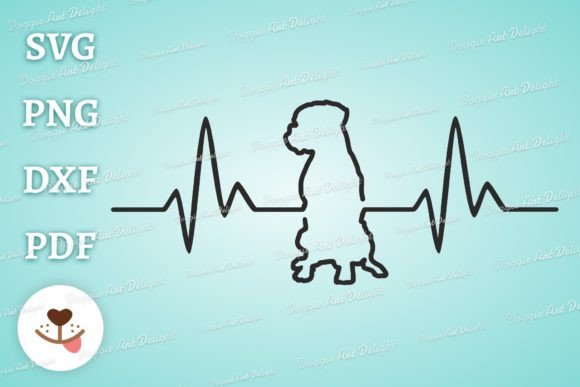
When I first opened the Boxer Dog Heartbeat vector graphic from Doggie Art Delight Studio, I was immediately drawn to its clean, modern silhouette. The design combines a classic Boxer profile with a subtle heartbeat line, creating a piece that feels both personal and energetic. As someone who regularly evaluates machine embroidery designs for small shop projects, I knew this would need careful testing before I could confidently offer it to my customers. Here’s my practical assessment of how this design performs in real embroidery work, from tote bags to customized apparel.
First Impressions and Mood
The Boxer Dog Heartbeat has a confident, playful personality. The Boxer’s head is simplified but recognizable—strong jaw, alert ears, and that unmistakable snout. The heartbeat line weaves through the dog’s profile, adding a sense of motion and life. It’s not overly detailed, which is a good sign for embroidery. The visual mood is warm, loyal, and slightly whimsical. It feels like a design that belongs on a handmade product for a dog lover—maybe a personalized gift for a new puppy owner or a memorial piece for a beloved pet. The shape is compact enough to work on a variety of blanks, but I knew I’d need to test it in different sizes.
Real-Life Scenario: Preparing a Custom Tote Bag
I decided to start with a medium-weight cotton tote bag, a popular item in my craft business. The design is a vector graphic, so I imported it into my embroidery software and converted it to a digital embroidery file. The download includes the Boxer dog artwork, but no specific stitch data, so I had to adjust the stitch density and choose a satin stitch for the outline and a fill stitch for the main body. I used a 5x7 hoop size—ample for the design at about 4 inches wide. The heartbeat line was thin, so I used a running stitch with a slight contrast thread color. On scrap fabric, the design stitched cleanly, but I noted that the heart line needed a bit more stabilization to avoid distortion on the open weave of the tote. After testing, I produced a finished tote that looked sharp and professional. Customers immediately responded to the emotional connection of the heartbeat motif.
How It Performs on Different Products
I tested the Boxer Dog Heartbeat on several surfaces to see where it truly shines:
- Custom Apparel (Sweatshirts and T-shirts): On a 50/50 cotton-poly sweatshirt, the design stitched smoothly. The satin stitch outline popped well against the fabric. The heartbeat line remained crisp, though I recommend a medium-weight stabilizer to prevent puckering on knits. For a light-colored tee, I used navy blue thread—the contrast was excellent. On dark fabric, a light gray or white thread helps the heartbeat stand out.
- Baby Clothes and Onesies: The Boxer silhouette is not overly cute or babyish, but it works for a “dog mom” or “puppy dad” baby gift. I reduced the size to 3 inches for a onesie. The detail remained legible, but the heartbeat line became very thin—I suggest using a slightly thicker running stitch or a satin stitch for the line at small sizes. Test on a scrap first.
- Embroidered Patches: This design is perfect for patch production. The closed shapes and limited detail make it easy to digitize for a patch with a merrowed or laser-cut edge. I made a batch of applique design patches by cutting fabric for the Boxer head and using a satin stitch border. The heartbeat line was added as an embroidered accent. The patches sold quickly at a local craft fair.
- Pillow Covers and Tea Towels: On a linen pillow cover, the design added a subtle, personal touch. The heartbeat line looked like a signature. For tea towels, I used a tonal thread on a white towel—very elegant. The design held up well after multiple washes, thanks to proper stabilization.
- Caps and Hats: This is where Boxer Dog Heartbeat needs careful consideration. The curved surface of a cap can distort the heartbeat line. I used a small hoop (4x4) and a cap frame. The silhouette stitched fine, but the heartbeat line needed to be split into two segments to avoid pull. Not ideal for beginners, but doable with a good machine embroidery design conversion.
Where to Use It Carefully
Not every product is a perfect match for this design. Here are scenarios where I’d advise caution:
- Small Hoop Sizes (4x4 and under): If you try to shrink the design below 2.5 inches, the heartbeat line and the Boxer’s ear details can blur. The stitch density may become too tight, causing fabric distortion. I recommend a minimum size of 3 inches for clarity.
- Very Thin or Stretchy Fabric: On lightweight silk or jersey, the density of the fill stitch can cause tunneling. Use a tear-away stabilizer and a lightweight embroidery file adjustment. Consider reducing the stitch count if possible.
- Dark Fabric with Dark Thread: The heartbeat line is an essential part of the design. On black fabric, using black thread makes it invisible. Use a contrasting color like white, silver, or red. The “heartbeat” theme naturally suggests red, but test the color combination on a scrap first.
- Curved Surfaces (Caps and Sleeves): As mentioned, the line can warp. If you’re making a cap, consider using a running stitch with a slightly wider path, or break the line into two parts at the crown seam.
- Products That Need Frequent Washing: The satin stitch areas are dense. If the design is large, it may feel stiff. For tea towels or baby blankets, I recommend using a lighter fill or a applique design approach to reduce thread buildup.
Visual Appeal, Product Value, and Customer Trust
The Boxer Dog Heartbeat design immediately elevates a product. It’s distinctive enough to be recognized as a Boxer, but abstract enough to appeal to a broad audience of dog lovers. When I offered it on a sweatshirt embroidery listing in my Etsy shop, I received several questions about whether the heartbeat line was customizable—it’s not in the base design, but a savvy seller could offer to change the thread color. The design communicates care and attention to detail. Customers perceive it as a personalized gift with emotional weight. For a small shop product, it adds a professional, boutique feel. I used it in a printable mockup for a digital product listing, and the response was positive. The design’s clean lines make it easy to photograph and display.
Practical Embroidery Designer Notes
Before you run with this design, here are my must-do steps:
- Test on Scrap Fabric First: Always. The vector graphic is clean, but your embroidery software may interpret the heartbeat line differently. I had to adjust the stitch type from a fill to a running stitch to keep it from becoming too thick.
- Check Thread Color Contrast: The design works best with a two-tone approach: one color for the Boxer silhouette, another for the heartbeat line. I used a dark gray for the dog and a vibrant red for the line. Test on both light and dark backgrounds.
- Review Stitch Density: The original vector has solid areas. In your embroidery file, reduce the density if the fill stitch becomes too heavy. A density of around 0.4mm for a satin fill works well for medium-weight fabric.
- Confirm Hoop Size: At 4 inches wide, the design fits a 5x7 hoop easily. For a 4x4 hoop, you may need to scale down to 3 inches, but check the detail retention.
- Inspect Small Details: The Boxer’s nose and ear tips are small. In a machine embroidery design, these areas can become blobs if the stitch direction is wrong. I used a satin stitch with a 45-degree angle for the ear.
- Test in Black and White Mockups: Before committing to thread colors, print the design in grayscale. This helps you see if the heartbeat line stands out against the main shape. If it blends, adjust.
- Use Proper Stabilizer: For most woven fabrics, a medium-weight tear-away is sufficient. For knits, use a cut-away stabilizer. The heartbeat line is a long run of stitches, so a sticky stabilizer can help keep the fabric from shifting.
- Check Licensing Before Selling: The description says the files are for “graphic design purposes” and for “printing, engraving, cutting machines.” It does not explicitly mention commercial embroidery use. As a craft business owner, I always contact the designer to confirm that I can use the vector to create commercial embroidery products. Do not assume it’s allowed. If you plan to sell finished products or digital embroidery files derived from this vector, get written permission. The download includes “Boxer dog” – but clarify the terms.
- Consider Applique for Larger Runs: If you’re making multiple tote bags or patches, converting the design to an applique design saves thread and reduces stitch time. The Boxer shape is well-suited for fabric cutting.
- Adapt for Different Sizes: The design resizes well, but I recommend keeping the heartbeat line at least 1/16 inch wide to remain visible. At very small sizes, remove the line or simplify it.
Final Thoughts for the Maker
The Boxer Dog Heartbeat vector by Doggie Art Delight Studio is a strong candidate for a variety of embroidery projects. It’s not a file that works out of the box for embroidery—you need to digitize it, test it, and adjust it. But for an experienced designer or a dedicated Etsy seller, it offers a distinctive design that resonates with dog owners. I’ve used it on baby embroidery items, holiday gifts for pet lovers, and even as a design asset in printable mockups for my shop. The heartbeat line adds a layer of meaning that customers notice. If you’re in the crafts space and looking for a graphics piece that can translate into a profitable handmade product, this is a solid choice. Just remember to do your due diligence on licensing, stabilization, and size. Happy stitching.