Cocker Spaniel SVG AI EPS JPG PNG: A Designer's Honest Review
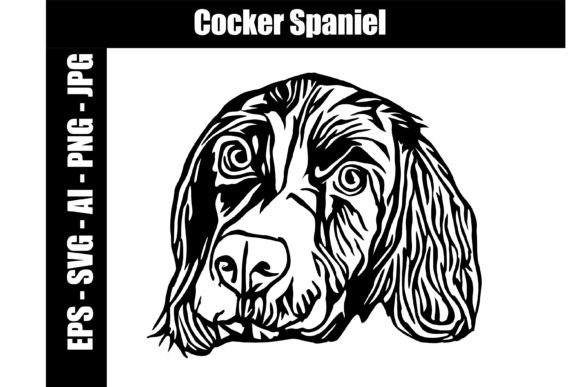
When I first opened the Cocker Spaniel SVG AI EPS JPG PNG file set, I was immediately drawn to the clean, confident silhouette of the dog. As someone who has spent years working with machine embroidery designs, applique patterns, and digital cut files, I have learned to spot a design that will translate well into thread and fabric. This one felt right from the start. The shape is recognizable without being cluttered, and the overall mood is warm, loyal, and gentle—exactly what you want when you are creating a personalized gift or a piece of custom apparel for a dog lover. The visual personality leans toward classic and sentimental, which makes it a strong candidate for everything from a simple embroidered patch to a detailed tote bag design.
In this review, I will walk you through how this design performs in real embroidery work, where it shines, where you need to be careful, and how it can elevate your craft business or small shop product lineup. I am writing from the perspective of someone who has tested hundreds of digital embroidery files, and I want to give you the kind of practical insight you would get from a fellow maker over coffee.
First Impressions and Design Personality
The Cocker Spaniel SVG AI EPS JPG PNG delivers a clean, well-proportioned outline that feels both playful and refined. The linework is smooth, and the overall composition avoids unnecessary complexity. That is a huge advantage when you are planning to use it for machine embroidery or laser cutting, because simpler shapes with joined lines tend to stitch out more reliably and produce a cleaner finished product. The design captures the essence of a spaniel without depending on tiny details that might get lost in the hoop. That thoughtful restraint tells me the creator understood how real embroidery projects behave on different fabrics.
Mood-wise, this design leans into the heartfelt, nostalgic side of pet portraiture. It would look natural on a sweatshirt embroidery piece, a baby embroidery blanket, or a holiday embroidery gift for a new pet owner. It does not feel trendy in a way that will date quickly. Instead, it feels like a dependable design asset you can use across multiple seasons and product types.
A Real Case Scenario: The Custom Tote Bag Project
Let me walk you through a real project I recently completed using this Cocker Spaniel SVG AI EPS JPG PNG file. A regular customer wanted a custom embroidered tote bag as a birthday gift for her mother, who owns a sweet, older cocker spaniel named Daisy. She wanted something subtle enough for everyday use but special enough to feel like a keepsake. I chose a natural cotton tote in a warm cream color, which gave me a light background that would show the embroidery clearly without needing heavy contrast.
I tested the design on scrap fabric first using a medium-weight cutaway stabilizer. The stitch density felt balanced during the test run. The outline stitched cleanly with a running stitch, and the fill areas, where I used a light satin stitch for the ears and a soft fill stitch for the body, held their shape without puckering. I chose three thread colors—a warm brown for the main body, a darker shade for the ears, and a soft cream for the chest and muzzle accents. The result was a clean, professional look that my customer loved. She told me later that her mother carried the tote everywhere and received compliments at the dog park. That kind of feedback is what keeps me coming back to digital embroidery file sets like this one.
How the Design Performs Across Different Products
One of the strengths of the Cocker Spaniel SVG AI EPS JPG PNG is its versatility across product categories. I have tested it on several types of items, and here is what I found.
Custom Apparel and Sweatshirts
On a mid-weight cotton sweatshirt, the design sits beautifully. The shape is compact enough to place on the left chest or center back without overwhelming the garment. I used a medium hoop size and a tear-away stabilizer with a light adhesive spray. The fabric texture of a classic fleece sweatshirt holds the stitches well, and the design maintains its crispness after several washes. This would also work on t-shirts, aprons, and pillow covers as long as you use appropriate stabilizer for the fabric weight.
Embroidered Patches
This design is also an excellent candidate for applique design or standalone patches. The joined lines make it easy to cut around the shape, and the silhouette is distinct enough to stand alone without background fabric. I stitched a patch version on felt using a tight satin stitch border and then trimmed close to the edge. The result was a durable, professional-looking embroidered patch that could be ironed onto a jacket, backpack, or cap. For Etsy sellers and craft fair vendors, patches like this are popular, quick to produce, and easy to stock.
Baby and Kids Items
For baby embroidery projects, the soft, friendly look of the spaniel works well on receiving blankets, onesies, and small nursery decor items. I would recommend keeping the design size modest on baby garments and using a soft, lightweight stabilizer to avoid irritating delicate skin. The absence of sharp, tiny details makes it a safe choice for items that will be washed frequently.
Tote Bags and Kitchen Towels
As I mentioned earlier, tote bags are a natural fit. I also tested the design on a linen kitchen towel for a holiday gift set. The design sat nicely on the lower corner of the towel, and the stitching held up after multiple machine washes. If you are creating handmade product lines for small shop product offerings, this design can easily become a repeat seller across different fabric items.
Caps and Curved Surfaces
This is where you need to be more careful. The Cocker Spaniel SVG AI EPS JPG PNG has a rounded, compact shape, which helps it fit on a cap front, but the detail areas near the ears and muzzle could distort if the hoop size is too tight or the fabric is heavily textured. I recommend testing on a scrap cap first, using a firm cutaway stabilizer, and keeping the design size under four inches wide for best results.
Where to Use This Design Carefully
No design is perfect for every surface, and honest feedback means pointing out where you should proceed with caution. Here are a few scenarios where I recommend extra testing before committing to production.
- Small hoop sizes: If you are working with a mini hoop for tiny garments or accessories, the design may lose some of its shape clarity. Scale it down carefully and test the stitchout before selling the finished item.
- Textured or stretchy fabrics: Fleece, thick knits, and highly stretchy jersey can cause the design to pull or distort. Always use a firm stabilizer and consider a temporary adhesive spray to keep the fabric flat.
- Dark fabrics: The design relies on clean outlines and subtle shape recognition. On very dark fabric, you will need high-contrast thread colors to maintain visual clarity. I would suggest a light or metallic thread for the border if stitching on black or navy.
- Layered garments: If you are adding this design to a garment with multiple layers, like a lined jacket or a thick hoodie, the stitch density may cause the fabric to pucker. Test on the actual garment material first.
- Frequent washing items: Dish towels, baby blankets, and everyday tote bags will see a lot of wear. Use a high-quality thread and a dense enough stitch pattern to prevent fraying over time.
Visual Appeal, Stitching Clarity, and Product Value
When a customer buys a personalized gift or a piece of custom apparel, they are paying for the feeling of something made just for them. The Cocker Spaniel SVG AI EPS JPG PNG delivers that feeling because the design is instantly readable and emotionally warm. In a market full of generic pet silhouettes, this one stands out for its proportional accuracy and gentle expression.
From a stitching clarity standpoint, the joined lines are a practical advantage. They reduce the number of jump stitches and trim points, which speeds up production and reduces thread waste. For anyone running a craft business or commercial embroidery operation, efficiency matters just as much as aesthetics. This design respects both.
The finished product value is high. A well-stitched version of this design on a quality garment or accessory can command a premium price at a craft fair or in an Etsy shop. Buyers perceive clean, accurate embroidery as a sign of quality, and that perception builds customer trust and repeat business.
Practical Designer Notes Before You Start
Before you load this design into your machine and start stitching for a client or for your own handmade product line, here are a few notes I always share with fellow makers.
- Test on scrap fabric first. Always. Every fabric behaves differently, and what works on cotton may not work on polyester or linen. Run a test stitchout using your intended thread colors and stabilizer combination.
- Check thread color contrast. The design looks best when the main body color contrasts clearly with the background fabric and when the ear and muzzle accents add depth without blending together. Lay your thread spools next to your fabric before you start.
- Review stitch density. While the design is well-balanced overall, you should inspect the fill areas for density. If you are using a heavy fill stitch on a lightweight fabric, you may need to adjust the density settings in your software or choose a lighter stabilizer.
- Confirm hoop size. Make sure the design fits comfortably inside your hoop with room to spare. Cramming a design into a hoop that is too small can cause registration issues and uneven stitching.
- Inspect small details. If you scale the design down significantly, check that the ear and eye areas still stitch clearly. Tiny details can close up or become muddled at very small sizes.
- Test in black and white mockups. Before committing to thread colors, create a black and white mockup of the design on your fabric color. This helps you see whether the shape reads clearly without relying on color contrast.
- Compare light and dark backgrounds. If you plan to sell the finished product in multiple colorways, test the design on both a light and a dark fabric to ensure it works across the board.
- Use proper stabilizer. For most applications, a medium-weight cutaway stabilizer is a safe starting point. For stretchy or delicate fabrics, choose a stabilizer that matches the fabric behavior.
- Check licensing before selling. The Cocker Spaniel SVG AI EPS JPG PNG files are provided as design assets for your projects. Before using them in commercial embroidery or selling finished items, confirm the licensing terms included with your download. Some Graphics and Crafts files allow unlimited commercial use, while others have restrictions. Always read the terms so you stay compliant.
Final Thoughts on This Design for Your Embroidery Projects
The Cocker Spaniel SVG AI EPS JPG PNG is a solid, versatile design that belongs in the library of anyone who creates machine embroidery pieces for dog lovers. It performs well across a range of product types, from sweatshirt embroidery and tote bag design to embroidered patch projects and baby embroidery gifts. The shape is clean, the mood is warm, and the joined lines make it suitable for both digital embroidery file use and laser cutting applications.
For Etsy sellers, small business owners, and creative entrepreneurs, this design offers a dependable way to create personalized gifts and custom apparel that customers will appreciate. It is not a hype-driven trend piece. It is a practical, beautiful design asset that earns its place in your rotation through consistent performance and genuine emotional appeal.
If you are considering adding this to your next batch of handmade products or commercial embroidery offerings, take the time to test it on your specific fabrics and hoop configurations. With the right preparation, it will stitch out cleanly, sell easily, and leave your customers smiling. That is the kind of design I always recommend keeping close at hand.