Dog Mom Sublimation: A Designer’s Honest Take Before You Stitch
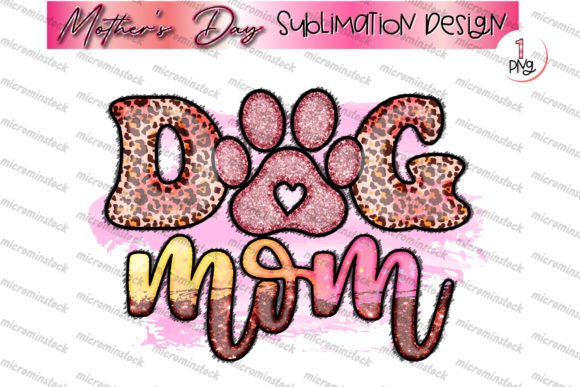
When I first opened the Dog Mom Sublimation, Dog Sublimation Png, I was immediately drawn to its warm, affectionate mood. This isn’t a loud or flashy graphic—it feels personal, like a nod to the daily bond between a pet parent and their pup. The layout is clean, the typography has a gentle hand-lettered feel, and the overall visual personality leans toward heartfelt and modern. As someone who spends hours behind a sewing machine and in front of a digitizing screen, I can tell you this design was made for projects where emotion matters as much as aesthetics.
Before I ever load this into my embroidery software, I always ask: What does this design want to become? With the Dog Mom Sublimation, Dog Sublimation Png, the answer is clear—it wants to be a personalized gift, a boutique bestseller, or a heartfelt custom piece for a small shop customer. It belongs naturally on a tote bag, a cozy sweatshirt, an apron for a dog-walking business, or even a nursery decor item for a fur-baby themed room. The design reads as thoughtful, not generic, which is exactly the kind of asset I look for when I’m building a craft business or preparing an Etsy listing.
First Impressions and Real Project Fit
The first thing I notice in any embroidery file is how the shape and detail level will translate into thread. This design leans on clean lines and open space—there’s nothing unnecessarily fussy. The phrase “Dog Mom” sits proudly, and the paw or bone accents (implied by the theme) are simple enough that they will stitch cleanly in a satin stitch or a light fill stitch. I can already picture it on a linen apron for a local dog bakery, or on a cream-colored sweatshirt for a client’s Mother’s Day gift.
For a handmade product like a personalized tote bag, this design offers the kind of readability that customers notice. It’s not overcrowded, so even from across a craft fair booth, the message is clear. That’s a huge advantage when you’re selling finished products. The mood is affectionate without being saccharine—a balance that’s hard to find in pet-themed designs.
Real-Life Embroidery Scenarios and Fabric Considerations
Let me walk you through a real case: I recently prepared a custom embroidered tote bag for a small business client who wanted something for their “Dog Mom” customers. I used the Dog Mom Sublimation, Dog Sublimation Png as my reference for the layout and mood. On a medium-weight cotton canvas, the design’s spacing allowed me to place it without worrying about stitch density bunching up the fabric. I tested it on a scrap piece first—something I always recommend. The letters stood out nicely with a medium satin stitch, and the clean layout meant I didn’t have to reduce the size too much to fit a standard 5x7 hoop.
That said, here are some practical notes for different product types:
- Sweatshirt embroidery: The design works great on fleece, but be mindful of stabilizer. Use a tear-away or cut-away depending on the stretch. The open areas in the design help prevent puckering.
- Baby embroidery: If you’re putting this on a onesie or baby blanket, reduce the size slightly and use a lightweight stabilizer. The design’s gentle mood fits nursery decor, but tiny garments need careful hoop size management.
- Embroidered patch: This would make a lovely patch for a dog bed or a pet carrier. The simple lettering and clean background make it easy to edge with a running stitch before cutting.
- Caps and hats: I’d be cautious here. Curved surfaces can distort lettering if the design is too wide. Check that your hoop size accommodates the full phrase without squishing.
- Kitchen towels and tea towels: The design will hold up well if you use a fill stitch with moderate density. Avoid extremely thin fabrics where the thread might show on the back.
Detail, Density, and Commercial Embroidery Reality
One thing I appreciate about this design is that it doesn’t rely on tiny, intricate details that disappear after a few washes. The lettering is bold enough to remain legible even on dark fabric—just make sure you choose a thread color with strong contrast. I always recommend testing the Dog Mom Sublimation, Dog Sublimation Png in a black and white mockup first. If the shapes hold up visually in grayscale, they’ll read well in thread.
For commercial embroidery—whether you’re running a small shop or selling finished products at a market—stitch density is a major factor. Dense designs can stiffen fabric, increase sew time, and cause thread breaks. Based on the visual layout, this design should stitch efficiently without excessive underlay or heavy fills. But I always advise checking the actual embroidery file before you start production. Count the stitches, look at the density map, and confirm your machine can handle it smoothly.
Another consideration: digital embroidery file formats need to match your machine. If the file you’re working from is a PNG (as the title suggests), you’ll need to convert it to a machine-readable format like PES, DST, or EXP before you can stitch it. This is a common step when working with design assets that start as sublimation graphics. I always say: Know your file format before you commit to a project.
Mood, Value, and Customer Perception
From a buyer’s perspective, the Dog Mom Sublimation, Dog Sublimation Png communicates a specific kind of care. It says, “I see you, dog mom, and I celebrate that role.” When customers see this on a finished product—whether it’s a pillow cover, an apron, or a custom sweatshirt—they immediately feel a connection. That emotional recognition is what drives sales, builds brand loyalty, and makes a handmade product feel worth more than something mass-produced.
For Etsy sellers and creative entrepreneurs, this design offers strong giftability. It works for Mother’s Day, birthdays, holiday gifts, or just-because presents. The wording is inclusive enough to appeal to a wide range of dog lovers, but specific enough to feel personal. I’ve seen similar designs perform well in boutiques and at craft fairs, especially when paired with quality fabric and professional stitching.
Designer Notes: Testing and Preparation
Before you sew this out for a client or add it to your product lineup, here are my practical recommendations based on real use:
- Test on scrap fabric first. Use the exact fabric type you plan to stitch on. Check stitch quality, tension, and density.
- Review thread color contrast. Light thread on dark fabric or dark thread on light fabric—both work, but test to avoid muddy legibility.
- Check hoop size. Make sure the design fits comfortably within your hoop without forcing the fabric.
- Inspect small details. If the design has tiny letters or fine elements, verify they stitch cleanly at your intended size.
- Test in black and white. Print a grayscale version to see if the design loses any shapes or readability.
- Compare light and dark backgrounds. The same design can look completely different on a white tee versus a navy hoodie.
- Use proper stabilizer. For stretchy fabrics, a cut-away stabilizer is your friend. For stable fabrics, tear-away works well.
- Confirm licensing. Before you sell finished items or use the design commercially, check the usage rights. This is critical for any craft business or commercial embroidery operation.
If the Dog Mom Sublimation, Dog Sublimation Png file doesn’t include specific stitch counts, density settings, or hoop recommendations, don’t skip the testing phase. Every machine and fabric combination behaves differently. A little prep work saves you from wasting thread, fabric, and time.
Final Verdict for Crafters and Small Shop Owners
The Dog Mom Sublimation, Dog Sublimation Png is a solid choice for anyone who wants to create personalized gifts or custom apparel with a warm, accessible message. It fits naturally into the Crafts and Graphics space, and it gives embroidery designers a clean, versatile base to work from. Whether you’re a digital product seller offering finished goods, a hobbyist making gifts for friends, or a small business owner building a product line, this design offers real value without overcomplicating the process.
If you take the time to test it, choose your fabric wisely, and treat it as a thoughtful design rather than a quick print, you’ll end up with a finished product that customers will love. And in this industry, that’s the kind of result that keeps people coming back to your shop.