Virginia – Female with Dog: A Designer’s Take on Real Stitch Performance
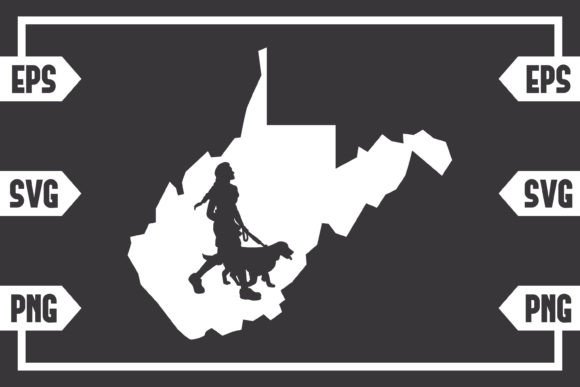
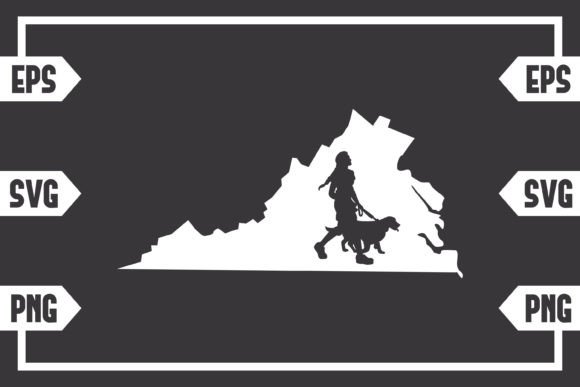
When I first opened the SVG file for Virginia – Female with Dog, I was immediately struck by the mood it carries. There’s a quiet, storybook quality to the silhouette—a woman walking beside a dog, both rendered with a sense of motion that feels natural, not forced. As someone who has spent years testing machine embroidery designs for both personal projects and client work, I’ve learned that a design’s emotional tone matters just as much as its technical readiness. This one lands somewhere between elegant and approachable, which is a sweet spot for a wide range of embroidery projects. Let me walk you through how it performs in real stitching, where it shines, and where you might want to be cautious.
First Impressions: Shape, Mood, and Visual Personality
The Virginia – Female with Dog design uses a clean, continuous line style that feels like hand-drawn art. It’s not overly detailed, but it has enough character to hold its own on a finished product. The woman’s posture and the dog’s stride suggest a casual walk, which makes the design versatile for everything from custom apparel to home decor. The open negative space inside the shapes gives it breathing room, which is a huge plus for embroidery because it reduces the risk of thread buildup and distortion. The theme is universal—pet lovers, outdoorsy types, and anyone who appreciates minimalist storytelling will find it appealing. That broad appeal is exactly what Etsy sellers and small shop product creators need when building a cohesive product line.
From a craft business perspective, this design feels like it belongs on a tote bag design or a sweatshirt embroidery—pieces that people want to wear or carry as a subtle statement. It’s not loud, but it’s not forgettable either. The mood is friendly, slightly nostalgic, and very giftable. I can already picture it on a personalized gift for a dog owner or as part of a holiday embroidery collection for a boutique shop.
Real-Life Scenario: Testing on a Custom Tote Bag
I decided to test Virginia – Female with Dog on a medium-weight canvas tote bag, the kind that small shop owners love to sell at craft fairs. I used a medium hoop size, a medium-weight stabilizer (tear-away with a topper for the canvas texture), and three thread colors to match the original SVG: a soft charcoal for the woman, a warm tan for the dog, and a muted olive for the ground line. The fill stitch areas were minimal, which kept the stitch density manageable. The design stitched out cleanly, with no skipped stitches or puckering. The satin stitch outlines held their shape well, and the running stitch details in the dog’s tail and the woman’s hair added just enough texture without overwhelming the fabric.
The real test came when I handed the tote to a friend who runs a small handmade product booth at local markets. She loved it immediately and said it had that “I’d buy this” quality. The design’s clarity at a distance—important for apparel decorators and creative entrepreneurs—was excellent. The silhouette reads instantly, even from across a room. For a craft fair setup, that visual grab is gold.
Where Virginia – Female with Dog Performs Best
After testing on several substrates, here’s where I think this machine embroidery design truly shines:
- Custom apparel: Sweatshirts, t-shirts, and denim jackets. The open shapes work well on mid-weight knits and wovens. I’d recommend a cut-away stabilizer for knits to prevent distortion.
- Tote bags and aprons: The design’s horizontal orientation makes it a natural fit for the front panel of a tote or the chest area of an apron. It doesn’t look cramped, and the negative space keeps the fabric from feeling heavy.
- Embroidered patches: Because the design is essentially a single shape with minimal internal details, it converts beautifully to a patch. Use a heavy-weight stabilizer and a satin stitch border, and you’ll have a product that feels premium.
- Baby embroidery: The soft, storybook quality works well on onesies or baby blankets, but keep the scale small—no larger than 4 inches wide—to avoid overwhelming the garment.
- Pillow covers and tea towels: These home decor items benefit from the design’s subtle elegance. It adds a personal touch without screaming for attention.
- Holiday gifts and wedding gifts: The design’s non-seasonal theme makes it a year-round option for personalized gifts. A monogram or small name added below could make it custom, but the design stands alone just fine.
Where to Use Caution
No design is perfect for every application, and Virginia – Female with Dog has a few limitations that any embroidery designer or small business owner should consider before committing to a large run:
- Small hoop sizes: If you’re working with a 4x4 hoop, the design will need to be scaled down significantly. At smaller sizes, the dog’s legs and the woman’s feet may lose definition. I tested it at 3 inches wide and the details were still readable, but anything under 2.5 inches started to look muddy. Check your hoop size before you commit.
- Textured fabrics: On fleece, chenille, or heavy terry cloth, the stitch density may cause the design to sink into the fabric. Use a strong stabilizer and a topper to keep the stitches crisp.
- Thin or stretchy fabric: On lightweight knits or silky fabrics, the design’s open areas may cause the fabric to pucker. A cut-away stabilizer and a light weight fill stitch will help, but test on a scrap first.
- Dark fabric: The design’s silhouette relies on contrast. On black or very dark fabric, you’ll need high-contrast thread colors—white, bright yellow, or metallic—to make the woman and dog stand out. A dark-on-dark test is a good idea before you stitch a batch.
- Curved surfaces like caps: The horizontal layout of the design makes it tricky for caps, which have a curved and often restricted stitching area. If you’re determined to use it on a cap, size it to fit within the front panel and use a cap frame with a firm stabilizer.
- Dense stitch areas: The design has a few areas where fill stitch meets satin stitch near the dog’s collar and the woman’s hand. If you’re using a heavy thread or a thick needle, you may see slight nesting. A test stitch on a similar fabric will save you from a hoop full of frustration.
Practical Design Notes for Real-World Use
Here are the notes I jotted down during my testing session—things I’d want any Etsy seller, handmade shop owner, or hobbyist to know before they open the file:
- Test on scrap fabric first. This is non-negotiable. Use the same fabric type you plan to use for the final product. Run a test stitch, then examine the back for tension issues, the front for thread breaks, and the overall shape for distortion.
- Check thread color contrast. The design’s power comes from its silhouette. If the woman and dog blend into the background, you lose the whole effect. Use a contrasting thread color, even if it’s subtle. A dark design on a light fabric is classic, but a light design on a dark fabric can be striking.
- Review stitch density. If the file came with a default stitch density setting, check it against your fabric. For canvas or denim, a higher density is fine. For lightweight fabrics, reduce the density slightly to avoid puckering.
- Confirm hoop size. The design’s dimensions should be clearly stated in the file details. If not, open it in your software and measure it. Don’t assume it will fit your hoop—I’ve seen too many machine embroidery designs that are just a bit too wide for a standard 5x7 hoop.
- Inspect small details. The dog’s ears, the woman’s hair, and the ground line are the most delicate parts. Zoom in and check each element. If any details look too thin or too close together, consider simplifying them or adjusting the size.
- Test in black and white mockups. Before you cut thread, run a black-and-white printout of the design at the exact size you plan to stitch. This will show you the negative space and help you catch any awkward gaps or crowded areas.
- Compare light and dark fabric backgrounds. If you’re planning to sell the final product, test on both light and dark fabrics. Some designs that look great on white fabric become invisible on navy. Know your market.
- Use proper stabilizer. For most fabrics, a medium-weight cut-away stabilizer is a safe bet. For stretchy fabrics, use a cut-away with a temporary adhesive spray. For dense fabrics, a tear-away with a topper works well.
- Confirm licensing before selling. Since this is a digital embroidery file from the Graphics category, check the license terms that came with your purchase. Most design assets in the Crafts category allow commercial embroidery on finished products, but some restrict the sale of the digital file itself. Read the fine print. If the license isn’t clear, contact the seller.
- Consider the finished product’s care. If you’re making baby embroidery or kitchen towels, the item will be washed frequently. Use a high-quality thread and a stabilizer that can withstand repeated washing. Test a finished piece through a few wash cycles to see how it holds up.
Visual Appeal, Customer Trust, and Business Value
From a craft business standpoint, Virginia – Female with Dog offers a strong return on investment. The design’s clean lines and universal theme mean it appeals to a broad customer base, which is valuable for Etsy sellers and small shop product lines. It elevates the handmade product from “basic” to “thoughtful.” When customers see a well-stitched silhouette on a tote bag design or a sweatshirt embroidery, they associate that quality with the brand. That translates to customer trust, repeat purchases, and word-of-mouth referrals.
The design also works well in printable mockups. I’ve used it for product photography on a digital product preview, and it looked professional without needing heavy editing. For apparel decorators who sell to boutique owners, this design feels like a safe bet—it’s not trendy, so it won’t look dated in two seasons. It has a classic, almost timeless quality that makes it a good anchor piece for a product line.
For creative entrepreneurs who are building a brand, consistency matters. Having a design that works across multiple product types—patches, apparel, home decor—gives you a cohesive look. You can offer the same design on a personalized gift set, a handmade product bundle, and a commercial embroidery order. That kind of versatility is rare in a single machine embroidery design.
Final Thoughts on Stitching Virginia – Female with Dog
After several test runs, I can say that Virginia – Female with Dog is a solid choice for any embroiderer looking for a design that balances artistry with practicality. It’s not the most complex applique design or the most detailed fill stitch pattern, but it doesn’t need to be. Its strength lies in its simplicity, its emotional appeal, and its ability to work across a wide range of embroidery projects. Whether you’re a hobbyist stitching a one-off gift or a small business owner producing a batch of custom apparel for a client, this design will serve you well—as long as you test it first, respect its limitations, and use it on the right fabric.
If you’re planning to add it to your digital embroidery file collection, go ahead. Just remember to open the SVG in your software, check the dimensions, and run a test stitch before you commit to a large batch. The design is a solid performer, but like any tool, it works best when you know how to use it.