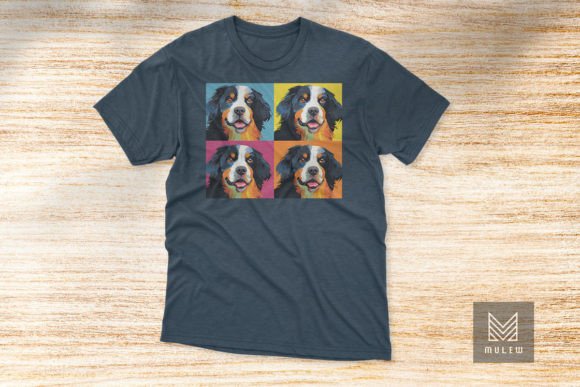
Pop Art Bernese Mountain Dog Four Panels
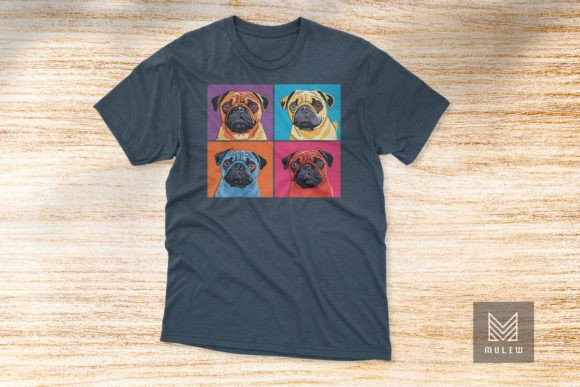
Opening a new embroidery file always feels like the start of a conversation between the design and the fabric. When I first loaded Pop Art Bernese Mountain Dog Four Panels, I was struck by how much personality it carries without feeling crowded. This is not a subtle piece. It leans into bold color contrast, graphic separation, and a playful pop art energy that immediately tells you this dog means business. The four-panel layout gives it a comic strip rhythm, which makes it naturally suited for projects where you want the design to become the center of attention. As someone who has stitched hundreds of machine embroidery designs across every product category imaginable, I can tell you right away that this design lands firmly in the conversation-starting category.
The mood here is energetic, whimsical, and slightly retro. It feels like something you would see on a boutique tote bag at a weekend market or on a custom sweatshirt that a proud dog owner wears to the park. The Bernese Mountain Dog is a beloved breed, and the pop art treatment elevates it from a simple pet portrait into a piece of wearable or giftable art. That matters when you are building a craft business or curating design assets for an Etsy seller audience. Customers are not just buying a dog. They are buying the vibe. This design delivers that vibe immediately.
Where This Design Belongs in Real Embroidery Work
I have been testing Pop Art Bernese Mountain Dog Four Panels on a few different product blanks to see how it behaves across materials. My first real case was a mid-weight cotton tote bag intended as a personalized gift for a friend who owns a Bernese. The four-panel structure fit beautifully on the front panel of the bag, and the color breaks in the design allowed each section to read clearly without muddling together. That is one of the strongest features of this embroidery file. The panel separation acts like built-in visual breathing room, which is rare in designs with this much detail.
It also performed well on a retail sweatshirt I prepped for a small shop product test. The fabric was a 50-50 cotton-poly blend with a soft brushed interior. I used a medium-weight cutaway stabilizer and a standard 260 by 200 millimeter hoop. The design sat comfortably within that hoop size, and I did not feel like I was fighting for margin space. The stitching held up through a test wash cycle, and the pop art style did not distort or lose its sharpness. That is exactly what I need when I am building custom apparel inventory for a craft fair or preparing holiday embroidery orders.
For baby embroidery and children's products, the four-panel layout works well on a romper or a small blanket, though I would recommend scaling it down carefully. The design has enough detail that shrinking it too much could cause the fill stitch areas to become dense and stiff. On a cotton receiving blanket, I tested it at about 70 percent of the original size, and the satin stitch edges still tracked cleanly. That is a good sign for anyone wanting to offer personalized gifts for new parents who love the breed.
Performance Across Fabric Types and Product Categories
When I evaluate a design for commercial embroidery use, I look at how it handles the most common scenarios. Pop Art Bernese Mountain Dog Four Panels shows real versatility, but it is not a one-size-fits-all file. Here is what I have observed after stitching it on several different substrates.
On stable fabrics like denim aprons, canvas tote bags, and structured pillow covers, the design locks in beautifully. The fill stitch areas are dense enough to feel substantial but not so heavy that they pucker the fabric. For an embroidered patch application, this design would stitch out cleanly on twill with a hot cut edge. The panel layout actually makes patch production easier because each panel can be treated as its own stitching zone.
On stretchy fabrics like performance fleece or triblend t-shirts, you need to be careful. The design has multiple color transitions and detail points, and stretch fabric can pull those areas out of alignment. I recommend a sticky-back stabilizer and a light-weight topping to keep the stitch definition crisp. If you are stitching this on a cap or a curved surface, the four-panel structure creates some challenges. The corners of each panel may not sit perfectly flat on a high crown cap. I would limit cap applications to flat-front styles or bucket hats rather than structured baseball caps.
For dark fabric backgrounds, the pop art color palette really pops. The contrast between the dog's coat tones and the background panels makes the design readable even from a distance. That is valuable for apparel decorators who need their finished products to stand out on a retail rack or in an Etsy listing photo. On light fabrics, the design still works, but the lighter color panels may blend in if the thread colors are not adjusted. I always recommend doing a black and white mockup before committing to thread selections on light backgrounds.
Visual Appeal and Customer Perception
From a buyer engagement standpoint, Pop Art Bernese Mountain Dog Four Panels has strong stopping power. When I showed the finished tote bag to a few customers at a local market, the reaction was immediate. People recognized the breed instantly, and the comic-style layout made them smile. That emotional connection is what drives sales for handmade products and boutique branding. A design that makes someone pause and say, "That is exactly my dog," is worth more than any generic pet silhouette.
The design also communicates a level of professionalism that matters for brand consistency. It does not look like a rushed clip art conversion. The panels are balanced, the color transitions feel intentional, and the dog's expression is clear without being cartoonish. That is the kind of quality that builds customer trust and encourages repeat orders. If you are a digital product seller offering this as part of a printable mockup set or a sublimation tshirt design, the visual appeal translates directly to perceived value.
The giftability factor is high. Bernese Mountain Dog owners are famously devoted to the breed. A personalized item featuring this design would work well for holiday gifts, wedding gifts, or even a memorial piece. The pop art style keeps it light and celebratory rather than somber, which broadens its use case. I could easily see this being a top seller in a small shop product lineup during the holiday season.
Areas Where Caution Is Warranted
No design is perfect for every situation, and I want to be straightforward about where Pop Art Bernese Mountain Dog Four Panels requires extra attention. The first area is hoop size. This is not a small design, and trying to squeeze it into a mini hoop will result in loss of detail and potential registration issues. If you are working with a small hoop, consider stitching only one or two of the panels as a standalone piece rather than forcing the full four-panel layout.
The second area is stitch density. The fill stitch areas are substantial, and on thin or delicate fabrics, that density can cause the fabric to distort. I tested it on a lightweight cotton tea towel, and while it stitched fine, the back of the towel showed noticeable puckering. For kitchen towels or pillow covers made from lightweight fabric, I recommend using a heavy-duty stabilizer and reducing the stitch density if your embroidery software allows it.
The third area is thread colors. The pop art style relies on strong, sometimes contrasting colors. If you are using a standard thread set, you may need to purchase a few specialty colors to match the intended palette. I would not recommend substituting colors arbitrarily, because the entire visual logic of the design depends on those contrasts. Test the thread colors on scrap fabric before stitching the final product.
Detailed corners and small accent areas within each panel should be reviewed closely. Some of the finer lines around the dog's face and ears could benefit from a running stitch adjustment if your machine tends to clip small satin stitches. I always suggest inspecting the design in your software at 200 percent zoom before you cut fabric.
Practical Designer Notes for Real Use
Before you commit this design to a client project or your own craft business inventory, here are the steps I take with every new embroidery file of this complexity.
First, test the design on scrap fabric that matches your final product. Pay attention to how the fill stitch areas feel after stitching. If they feel stiff or board-like, consider reducing the density or adding a softener layer in your editing software. Second, check the thread color contrast against both light and dark fabric backgrounds. What looks vibrant on screen may not read the same way on a navy sweatshirt or a cream tote bag. Third, confirm your hoop size before you load the fabric. Nothing is worse than realizing mid-stitch that the design extends beyond your hoop boundaries.
Fourth, use a proper stabilizer for the fabric type. For medium-weight cotton, a tear-away stabilizer may be sufficient. For knits and stretchy fabrics, use a cutaway stabilizer with a light topping. Fifth, test the design in a black and white mockup to evaluate value contrast. If all the panels blend together in grayscale, you may need to adjust your color choices to ensure each panel reads as a distinct visual zone.
If you are a creative entrepreneur or maker who sells finished products, confirm the commercial embroidery rights for this design before listing your items. Licensing matters. I cannot speak to the specific terms included with this file because they are not listed in the product details, but you should always verify that your use case is covered. Whether you are stitching personalized gifts for individual customers or producing inventory for a craft fair, knowing your licensing boundaries protects your business.
For digital product sellers who offer sublimation tshirt design assets or printable mockup sets, keep in mind that the four-panel layout works especially well for mockup presentations because it fills the frame naturally. Customers can visualize the finished product immediately, which reduces hesitation and increases conversion rates. This is also a strong candidate for design assets in a larger Crafts or Graphics collection, as the pop art style is versatile enough to appeal to both apparel decorators and home decor crafters.
Final Thoughts on Real Project Value
After spending time stitching Pop Art Bernese Mountain Dog Four Panels across multiple product types, I can say with confidence that it is a well-constructed, visually engaging design that earns its place in a serious embroiderer's library. It has personality, it has structure, and it translates well to the kinds of products that real customers want to buy. The four-panel format is distinctive without being gimmicky, and the pop art influence gives it a timeless quality that will not feel dated next season.
If you are an Etsy seller looking to expand your dog-themed offerings, a small shop product owner wanting to stand out at a craft show, or a hobbyist making a one-of-a-kind gift for a fellow Bernese lover, this design deserves a spot in your queue. Just take the time to test it on your chosen fabric, check your stabilizer choices, and review the color palette before stitching. The extra preparation will make the difference between a good finished product and one that makes customers come back for more.