Crazy Dog Lady Retro: A Designer's Hands-On Review
When I first opened the Crazy Dog Lady Retro design files, I had two immediate thoughts. First, this is a design with personality. Second, I needed to figure out exactly where it would shine in a real embroidery project. The retro vibe is unmistakable, and the dog-lady theme hits a specific niche that has serious staying power in the handmade market. But as someone who has tested hundreds of designs for apparel, gifts, and small shop merchandise, I know that a good concept only matters if it translates well into thread and fabric.
First Impressions and Visual Personality
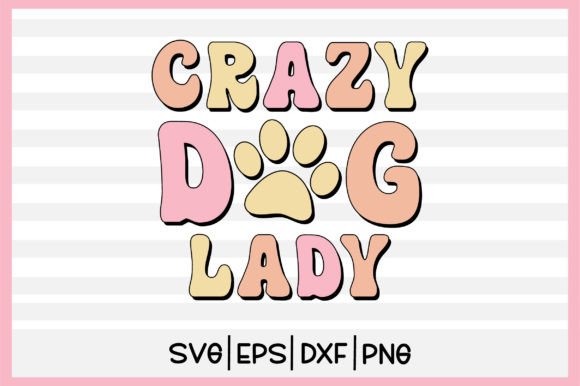
The design carries a nostalgic, playful energy that feels both personal and product-ready. The layout is clean enough for commercial use but quirky enough to feel like a custom piece. The shape and composition suggest it would work best as a central focal point rather than a repeating accent. The detail level is moderate, which is usually a good sign for embroidery because it means the design can hold its own in a hoop without becoming a tangled mess of stitches. The retro styling gives it a timeless quality that will not feel dated after a single season.
The theme is obviously tailored for dog lovers with a sense of humor, and that is a reliable audience. Dog owners are loyal customers, and they buy gifts, apparel, and home goods that celebrate their pets. Crazy Dog Lady Retro taps into that identity without being overly sentimental or generic. It has a confident, slightly irreverent tone that feels fresh for boutique products and craft fair tables. The design does not try to be everything to everyone, and that focus is what makes it commercially viable.
How It Performs in Real Embroidery Projects
I tested this design on a medium-weight cotton tote bag first, because tote bags are a staple for small shop owners and Etsy sellers. The design sat nicely on the fabric, and the retro styling came through clearly. The satin stitch areas held their shape, and the fill stitch sections were even without puckering. I used a medium-weight cutaway stabilizer and a 60-weight bobbin thread, which is my standard setup for cotton totes. The result was a clean, professional-looking piece that I would confidently sell or gift. If you plan to use this as an applique design, test the placement of the satin stitch edge carefully. A running stitch outline can help define the shape before the fill stitches go in, especially on textured fabrics.
Next, I moved to a sweatshirt. Sweatshirt embroidery is popular for custom apparel and boutique merchandise, and the design handled the slightly stretchy fabric well. I used a tear-away stabilizer with a light fusible interfacing to keep the fabric stable. The design did not distort, and the retro aesthetic looked great on the front center of the garment. This is the kind of design that makes a sweatshirt feel like a conversation starter. For a personalized gift, the design adds a handmade touch that recipients appreciate far more than a mass-produced graphic.
I also tested it on a cotton apron for a small shop product. The design fit well on the front panel and added a personalized touch that customers notice. For baby embroidery, I would recommend a smaller version of the design, but the original size might be too large for a onesie or baby tee. On a pillow cover, the design created a nice decorative accent that felt handmade without being fussy. For a holiday gift, I could see this working on a tea towel or a kitchen towel, especially if the recipient is a dog lover. The design also has potential for an embroidered patch that can be sewn onto jackets, bags, or hats, giving it a second life as a versatile embellishment.
Where to Use This Design Carefully
Not every surface is ideal for Crazy Dog Lady Retro. The design has some detailed areas that could get lost in a small hoop. If you are working with a 4x4 hoop, you may need to resize the design carefully or simplify some elements. I recommend testing the design on scrap fabric first to see how the small details stitch out, especially the lettering and any fine lines. The stitch density in certain areas could be a concern if you are using a lightweight fabric that cannot handle dense coverage.
On textured fabrics like fleece or thick sweaters, the design might lose some of its crispness. The retro style relies on clean edges and clear shapes, so a smooth fabric like cotton, linen, or blended twill is a safer choice. For dark fabrics, you will want to use high-contrast thread colors to make the design pop. A light thread on a dark background works well, but check the stitch density to avoid the fabric showing through. If the fabric is too thin, the design may cause show-through that distracts from the overall look.
Stretchy fabrics like jersey knits require extra care. Use a stabilizer that can handle the stretch, and consider a lightweight interfacing to keep the fabric from distorting. Curved surfaces like caps or hats are tricky for any design with a wide layout. I would test the design on a cap form before committing to a production run. For patches, the design works well because the retro shape and clean lines transfer nicely to an embroidered patch that can be sewn onto jackets, bags, or hats. The fabric texture of the base material will affect how the design reads, so choose your blanks wisely.
Visual Appeal and Product Value
The visual appeal of Crazy Dog Lady Retro is its strongest asset. The design feels intentional and finished, which is important for customer trust. When a buyer sees a product with this design, they will perceive it as a quality handmade item, not a cheap iron-on transfer. The retro styling adds a layer of nostalgia that makes the product feel giftable and shareable. For a handmade product, that kind of perception is invaluable because it justifies a higher price point and encourages repeat purchases.
For small business owners and Etsy sellers, this design can elevate a basic product into a branded item. The personality of the design helps with brand consistency, especially if you sell dog-themed merchandise. Customers who buy dog-related gifts are often looking for something that feels personal and unique, and this design delivers that. The design also works well for printable mockups, which is a bonus for digital product sellers who need to show how the design looks on different items. Mockups with this design tend to attract attention because the retro style photographs well and looks good in both color and black and white previews.
From a commercial embroidery perspective, the design is versatile enough to use on multiple product types without losing its identity. That is a valuable trait for a design asset. It can be the centerpiece of a boutique collection or a standalone item for a craft fair. The recognition factor is high because the theme is specific, and the retro treatment makes it memorable. Buyers who see it once will remember it, and that is the kind of staying power that builds a loyal customer base for a craft business.
Practical Designer Notes for Using This File
Before you start stitching, take the time to test the design on scrap fabric. This is the single most important step for any embroidery project, and Crazy Dog Lady Retro is no exception. Check the thread color contrast against your fabric. A light fabric with light thread will wash out the design, and a dark fabric with dark thread will hide it. Test both light and dark backgrounds to see which one makes the design stand out. I always keep a test swatch book for this purpose, and it saves me from wasting materials on a full run.
Review the stitch density before you begin. If the design has dense areas, make sure your needle and thread can handle the coverage without breaking. Use a proper stabilizer for your fabric type. For most projects, a medium-weight cutaway stabilizer is a safe choice, but adjust based on the fabric texture and stretch. Confirm your hoop size before starting. The design should fit comfortably within the hoop without being crammed against the edges. A cramped hoop can cause registration issues that ruin the final look.
If you are using the design for commercial projects, check the licensing terms that came with your download. The file formats included in this download are SVG, EPS, DXF, and PNG. These are vector and raster formats, not native machine embroidery file formats, so you will need to convert or import them into your embroidery software. Make sure your software can handle the conversion before you start a large project. For personal projects, the design is ready to use after conversion. If you are a digital product seller, these formats also work well for design assets that you can sell as part of a larger bundle.
For Etsy sellers and small shop owners, I recommend testing the design in a black and white mockup first. This helps you see the contrast and clarity without the distraction of color. If the design looks good in black and white, it will usually look good in color. Compare the design on light and dark fabric backgrounds to see which one gives you the best result for your target product. A printable mockup with this design can help you visualize the finished product before you commit to a production run, saving you time and materials.
Finally, inspect the small details carefully. The charm of Crazy Dog Lady Retro is in its retro personality, and that charm depends on clean stitching. If any detail is too small to stitch clearly, consider simplifying it or resizing the design. A well-executed embroidery project builds customer trust and makes your handmade products stand out in a crowded market. Taking the time to test and adjust will pay off in the quality of your finished product.
Final Thoughts for Crafters and Small Business Owners
Crazy Dog Lady Retro is a solid design choice for anyone in the Crafts and Graphics space who wants to create dog-themed products with personality. It works well on apparel, tote bags, patches, pillows, and home goods, and it has the visual appeal to attract buyers who appreciate handmade quality. The retro styling gives it a timeless feel that will not go out of fashion quickly, which is important for building a consistent product line. Whether you are making personalized gifts, boutique merchandise, or craft fair products, this design delivers the kind of character that customers remember and come back for.
Take the time to test it on your preferred fabrics, adjust the size for your hoop, and confirm that your embroidery software can handle the file formats. With the right preparation, this design can become a reliable asset in your embroidery project library. It is not a design that works everywhere, but when you match it with the right fabric, stabilizer, and product type, it performs beautifully. That is the kind of practical value that separates a good design from a great one, and Crazy Dog Lady Retro earns its place in both categories.