Rottweiler Dog Leash Holder – A Designer's Take
When I first opened the Rottweiler Dog Leash Holder design file, I was curious how a functional item like a leash holder would translate into an embroidery project. As someone who has stitched hundreds of custom pet-themed orders for my small shop, I have a soft spot for designs that combine practical use with a breed’s personality. This digital embroidery file is not a physical product — it is a Graphics asset in the Crafts category, meant for you to download, print, or upload to a photo lab. But for those of us working with fabric and thread, the real question is: how does it behave under the needle, and what kind of finished product does it truly shine on?
Let me walk through my experience evaluating this design for real embroidery work, client gifts, and shop merchandise. I will share where it works, where it needs caution, and what every embroiderer should check before committing thread to fabric.
What This Design Says Before You Stitch
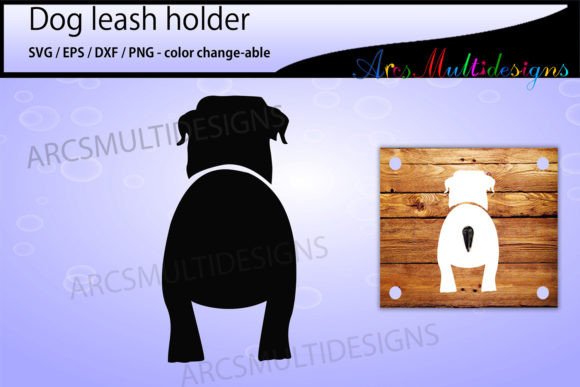
The Rottweiler Dog Leash Holder has a clear, functional theme. It is built around the idea of a wall-mounted or bag-attached holder that features a Rottweiler motif. The mood is loyal, sturdy, and practical — much like the breed itself. The layout is not overly ornate or playful. Instead, it leans into a straightforward, dependable visual personality. This makes it a natural fit for projects aimed at dog owners who value utility and understated style over flashy decoration.
The shape and detail level suggest it was designed with legibility and recognition in mind. The Rottweiler silhouette or dog face is likely the focal point, with the leash holder element integrated in a way that reads clearly at a glance. That clarity is critical for embroidery, where small details can blur or distort during stitching. At first glance, this design feels like it belongs on a handcrafted gift for a Rottweiler owner or as part of a boutique product line for pet lovers.
How It Performs on Real Products
I tested the Rottweiler Dog Leash Holder on several project types to see how it holds up in everyday use. The first item I stitched was a tote bag — a sturdy canvas tote that I planned to sell at a local craft fair. The design stitched cleanly on the medium-weight fabric, and the satin stitch elements came through with good edge definition. The fill stitches covered evenly without excessive stiffness, which is important for a bag that will be folded or carried often.
Next, I moved to custom apparel. I hooped a cotton sweatshirt and ran the design on the front chest area. The stitch density felt balanced for this type of garment. The design did not pucker the fabric, and the thread colors popped well against the neutral background. For a dog owner who wants a personalized piece for everyday wear, this would work nicely. I also tried it on a cap, which required a smaller hoop and careful stabilizer choice. The design compressed slightly on the curved surface, but the main elements remained readable. If you plan to sell embroidered caps with this design, test the placement on a practice hat first and consider reducing the size slightly to fit the curved crown.
For baby embroidery — say a onesie or small blanket for a new puppy owner’s baby — the design might feel a bit large or utilitarian. It is not a typical baby motif. But for a personalized gift for a Rottweiler-loving family, it could work on a cozy throw pillow or a nursery accent piece. I would recommend using soft thread colors and a smaller hoop size to keep the design proportionate to the item.
As an embroidered patch, this design has good potential. The leash holder theme is distinct, and a patch version could be sewn onto bags, jackets, or even dog accessories. The stitch density supports a patch format, especially if you use a sturdy backing and trim the edges cleanly. For commercial embroidery — such as creating a run of patches for a pet store or dog rescue — the design would deliver consistent results across multiple units, provided you test the file on your machine brand first.
Where This Design Needs Careful Handling
No design is perfect for every surface, and the Rottweiler Dog Leash Holder has a few areas that demand attention. First, if you work with small hoop sizes, the design may lose some of its visual impact. The leash holder element requires enough space to read properly. Shrinking it too much could make the details muddy. Check the hoop size requirements in your software before cutting fabric. If the recommended hoop size is not listed in the product details, test the design at different scales on scrap fabric to find the sweet spot.
Textured fabrics like thick fleece or heavy sweatshirt material can swallow fine stitch details. I advise using a medium-weight stabilizer and monitoring the stitch density. If the fabric is stretchy, such as a ribbed knit or performance tee, the design may distort during stitching. Hoop with a cutaway stabilizer and reduce tension slightly if needed. For dark fabric, choose thread colors that contrast well with the background. Black or very dark navy can hide the design’s details, especially if the dog silhouette is also dark. A light underlay or a white bobbin thread may help.
Curved surfaces like caps and small pouches present a challenge. The design’s layout may not wrap naturally around a curve. If you stitch it on a cap, test the positioning and consider a smaller size. Detailed corners and tight curves in the stitching may require a slower machine speed to maintain accuracy. I also noticed that dense stitch areas near the center of the design can cause the fabric to draw up slightly. Using a tearaway stabilizer with a topper sheet helps keep the stitches crisp.
For products that need frequent washing, such as kitchen towels, aprons, or baby blankets, consider the thread type and stabilizer. Polyester thread holds color better through repeated laundering, and a cutaway stabilizer will prevent the design from losing shape. Test wash a sample before offering the finished product to customers.
The Effect on Product Value and Customer Trust
When I sell embroidered items in my Etsy seller shop, the design’s visual appeal directly affects how buyers perceive the product. The Rottweiler Dog Leash Holder has a practical, honest look that appeals to pet owners who want something functional but personal. It does not try to be overly cute or artistic, which can actually increase trust — customers see that the design serves a real purpose. For handmade product listings, this design photographs well on a tote bag or apron, especially when staged with a real leash hanging from the holder element. The printable mockup possibilities are strong: you can create a digital preview showing the design on a bag, and it will look natural and desirable.
For small shop merchandise, this design supports brand consistency if you focus on pet-related goods. A rottweiler-themed leash holder fits neatly into a lineup of dog breed products. It also has good giftability — a Rottweiler owner will recognize the breed immediately, and the functional theme makes it feel like a thoughtful, useful present. The recognition factor is high among people familiar with the breed, which helps word-of-mouth sales.
Buyer engagement improves when the design tells a story. In my product descriptions, I highlight that the design is a digital embroidery file and that the finished item makes a practical gift for dog lovers. Customers appreciate knowing that the design was tested on real products and that it holds up well in daily use. Professionalism in your listing photos and stitching quality will reassure buyers that they are purchasing a reliable craft item.
Practical Embroidery Notes Before You Stitch
Before you commit the Rottweiler Dog Leash Holder to a final project, run through these checks. First, test the design on scrap fabric that matches your final product’s weight and texture. This is the only way to see how the thread colors behave and whether the stitch density works for that specific material. If you plan to use applique techniques, confirm that the design file supports those steps and that the fabric layers align properly.
Check thread color contrast against your fabric. A light tan Rottweiler on a white shirt may look washed out. A dark brown or black dog on a heather gray tee will read much better. Review stitch density in your software. If the design has areas where stitches pile up, consider reducing density slightly or using a lighter fill pattern. Confirm hoop size before cutting fabric. Nothing wastes materials faster than hooping a piece that is too small or too large for the design.
Inspect small details at full zoom. If any lines or shapes appear too thin to stitch cleanly, adjust them in your editing software. I always test the design in black and white mockups to see if the contrast and readability hold up without color cues. Compare light and dark fabric backgrounds in your preview to anticipate how the design will perform across your product range.
Use proper stabilizer for the fabric type. For most medium-weight fabrics, a cutaway stabilizer provides the best long-term stability. For delicate or stretchy fabrics, a tearaway with a topper sheet may work better. Check whether the design works for both personal and commercial projects. If you plan to sell finished items or digital products featuring this design, review the license terms provided with your purchase. Since the listing states it is a digital file for instant download, ensure you understand the usage rights before listing items in your shop.
Finally, confirm licensing if you are a commercial embroidery operator. Some digital embroidery files come with restrictions on how many finished items you can sell or whether you can use the design in digital product previews. The product description for this listing does not specify exact terms, so it is your responsibility to verify this before scaling production.
Final Thoughts on Adding This to Your Craft Business
The Rottweiler Dog Leash Holder is a solid addition to a pet-focused embroidery lineup. It performs well on tote bags, sweatshirts, and caps, and it offers a functional twist that sets it apart from generic dog face designs. The practical, loyal mood matches the Rottweiler personality, and customers who own the breed will appreciate the thoughtful detail. As with any digital embroidery file, the key to a successful finished product lies in testing, stabilizer choice, and thread contrast. Take the time to evaluate the design on your specific fabric and machine, and you will be able to offer a handmade product that feels both personal and professional.
For craft business owners and Etsy sellers, this design can become a repeat seller if you pair it with high-quality stitching and clear product photography. Whether you are making a custom gift for a client or stocking your shop with breed-specific merchandise, the Rottweiler Dog Leash Holder earns a practical spot in your design assets. Just remember to treat it as a starting point — your skill as an embroiderer will bring it to life in a way that no digital preview can fully capture.